
Think You’re Drinking Tea? Here’s What the Food Regulator Says

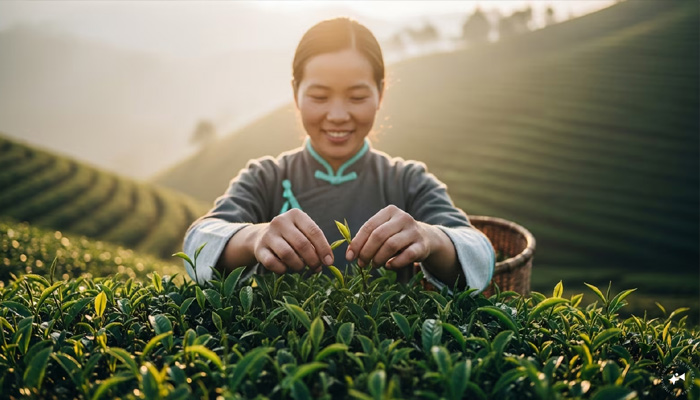
FSSAI Clarifies: Only Drinks from Tea Plant Can Be Sold as ‘Tea’ in India
The Food Safety and Standards Authority of India (FSSAI) has clarified that only beverages made from the Camellia sinensis plant can legally be sold as “tea” in India. The move aims to curb misleading labels in the growing herbal and wellness drinks market.
In a statement issued on December 24, 2025, FSSAI noted that several companies were marketing products like herbal tea, flower tea, and rooibos tea as “tea,” even though these drinks are not derived from Camellia sinensis.
“It has come to the notice of FSSAI that some Food Business Operators are marketing products that are not obtained from the plant Camellia sinensis under the name ‘Tea’,” the authority said.
Legal Definition of Tea
According to FSSAI, the legal definition is already specified under the Food Safety and Standards Regulations.
Tea — including Kangra Tea, Green Tea, and Instant Tea in solid form — must be made exclusively from Camellia sinensis.
The regulator also highlighted labelling rules, emphasizing that consumers must receive accurate information. As per the Food Safety and Standards (Labelling and Display) Regulations, 2020, “every package shall carry the name of the food which indicates the true nature of the food contained in the package, on the front of pack.”
Misleading Labels Considered Illegal
FSSAI warned that using the term “tea” for other plant-based infusions is misleading and amounts to misbranding, violating the Food Safety and Standards Act, 2006.
Producers of herbal or flower-based drinks cannot label their products as tea. Instead, such drinks may be classified as proprietary foods or regulated under the Food Safety and Standards (Approval for Non-Specified Food and Food Ingredients) Regulations, 2017, depending on their composition.
Compliance and Enforcement
The clarification applies to all manufacturers, packers, importers, sellers, and e-commerce platforms, which have been directed to comply with the regulations and avoid using “tea” for non-Camellia sinensis beverages.
FSSAI has instructed state and union territory food safety officials to monitor the market closely and warned that action will be taken against non-compliance under the Food Safety and Standards Act, 2006.
This directive is expected to prompt several brands to rethink their product names, as FSSAI reinforces a clear message: tea must come from the tea plant.
Comments are closed.