
China Authorises Asset Seizures in Supply Chain Response to US-Iran Oil Disruptions

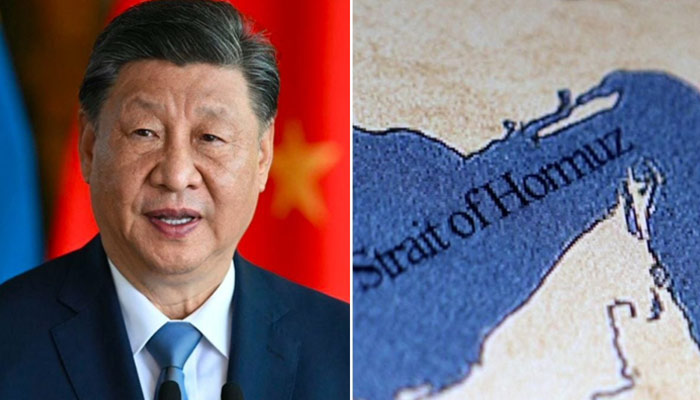
China is reportedly preparing to strengthen its response to global supply chain disruptions amid rising geopolitical tensions linked to Iran, according to a media report.
A source cited in the report said Beijing has introduced new regulations that could allow authorities to seize assets belonging to foreign governments or companies deemed to be interfering with China’s supply chains. The move is being viewed as a response to reported US action involving Iranian oil shipments bound for China.
The source also suggested that China is considering broader strategic implications of US military constraints related to the Iran conflict, including contingency scenarios involving Taiwan.
EXPANDING ECONOMIC COUNTERMEASURES
A Reuters report dated April 27 provides additional context, noting that China has been steadily expanding its economic retaliation toolkit against the United States.
While Beijing has signalled interest in maintaining dialogue with Washington, it has simultaneously rolled out measures aimed at countering US trade and technology restrictions.
Since the October summit between US President Donald Trump and Chinese President Xi Jinping, China has tightened rare earth export controls, restricted foreign AI chips in state-funded data centres, and limited the use of certain US and Israeli cybersecurity software by Chinese firms.
The report also highlights new rules targeting foreign entities seen as redirecting supply chains away from China, as part of a broader effort to strengthen economic leverage ahead of a potential Trump–Xi meeting expected in mid-May.
NEW LEGAL FRAMEWORK AND SIGNALS
According to Reuters, Chinese Premier Li Qiang signed regulations in April granting authorities wider powers to investigate and penalise foreign entities accused of undermining China’s industrial and supply chains. These measures reportedly include entry bans, expulsions, and asset seizures.
The timing of these steps comes amid heightened tensions over Iran, particularly after US officials warned of sanctions on buyers of Iranian oil, around 80% of which is purchased by China.
Analysts cited in the report say China’s approach reflects a longer-term strategy to build structured economic countermeasures rather than purely reactive responses.
ESCALATING GLOBAL TRADE FRAGMENTATION
The Reuters report also points to growing friction across key sectors including semiconductors, rare earths, and aviation. The US has tightened export controls on advanced chip technologies, while China has responded with domestic substitution policies and restrictions on critical material exports.
These developments have increased pressure on global supply chains, with analysts warning of broader economic disruption. A European Chamber in China report cited by Reuters cautioned that expanded extraterritorial controls could have far-reaching global consequences.
Comments are closed.