
Strait of Hormuz Tensions Trigger ‘Red Zone’ Warning Over Global Oil Supply Crisis

The global energy market is staring at one of its most serious crises in decades.
As the continuing disruption in the Strait of Hormuz threatens to push oil supply systems into what the International Energy Agency (IEA) has described as a potential “red zone”.
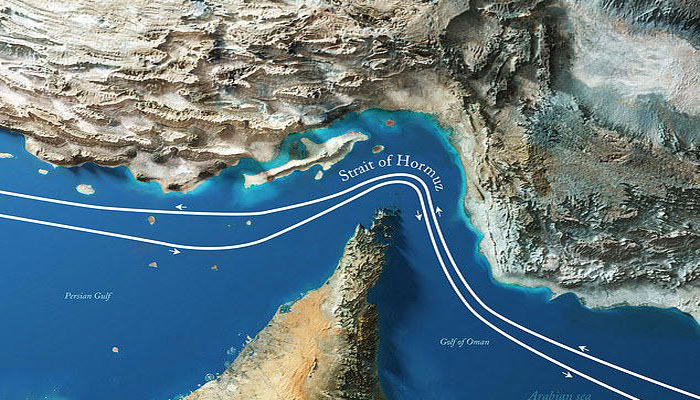
The warning comes amid the fallout of the ongoing Iran conflict, which has severely disrupted Middle East oil and gas production and sharply reduced tanker movement through the strategically vital Strait of Hormuz — the narrow maritime corridor through which nearly 20 per cent of the world’s seaborne energy supplies normally pass.
According to IEA Executive Director Fatih Birol, the disruption has effectively removed nearly 14 million barrels of oil per day from global markets, creating mounting pressure on already strained reserves.
The situation has forced the IEA and its member nations to release unprecedented amounts of emergency oil reserves to stabilise supply. Around 400 million barrels have already been deployed since March — more than double the volumes released during the Russia-Ukraine war energy shock in 2022.
Despite those measures, Birol warned this week that global oil markets could enter a “red zone” as early as July if normal tanker movement through Hormuz is not restored soon.
WHAT DOES ‘RED ZONE’ MEAN?
The term refers to a dangerous phase where global oil reserves are no longer sufficient to comfortably absorb additional supply shocks. In practical terms, it means the market loses its safety cushion.
Once reserve levels fall too low, even relatively small disruptions — such as attacks on infrastructure, weather events or shipping bottlenecks — can trigger sharp supply shortages, fuel rationing concerns and sudden spikes in energy prices.
Brent crude prices have already surged from around $72 per barrel before the conflict to over $104-$105 currently, with analysts warning prices could cross $120 if tensions escalate further or if military action resumes in the region.
The biggest impact, experts warn, will likely fall on poorer and import-dependent countries across Asia and Africa, where rising fuel costs could quickly spill into inflation, food shortages and economic instability.
WHY CONCERNS ARE GROWING NOW
The alarm has intensified partly because the world is entering the peak summer travel season, traditionally one of the highest demand periods for aviation fuel and transportation energy.
Airlines globally have already been hit by rising jet fuel costs, while petrol and diesel prices have climbed across several regions, including India, Europe, Africa and the United States.
In India, aviation turbine fuel prices rose sharply through April and May, forcing authorities in Delhi and Mumbai to temporarily slash VAT rates in an attempt to ease pressure on airlines and consumers.
Fuel prices at petrol pumps have also witnessed repeated hikes as governments and energy companies struggle to balance rising import costs.
MARKETS FEAR LONGER DISRUPTION
Analysts say the biggest concern now is not just high prices, but the possibility of a prolonged supply crunch if tanker traffic through Hormuz remains heavily restricted into July.
Countries may then begin rapidly exhausting their remaining strategic reserves while competing for alternate oil supplies, creating severe price volatility across global markets.
Energy experts caution that once spare production capacity becomes limited, prices could rise sharply and unpredictably, affecting everything from transportation and manufacturing to food supply chains.
DIPLOMACY REMAINS CRITICAL
Efforts to stabilise the situation continue to hinge on diplomacy, though negotiations remain stalled.
The United States has reportedly demanded that Iran dismantle its nuclear programme and surrender enriched uranium stockpiles, while Tehran has sought compensation for war-related damages and removal of sanctions affecting its oil exports.
Although the April 8 ceasefire technically remains in place, tensions continue to simmer, raising fears that any renewed attacks on regional energy infrastructure could trigger another major spike in oil prices.
Experts also warn that even if shipping through Hormuz resumes immediately, global supply chains may take weeks or even months to fully stabilise as insurers, refiners and shipping companies continue operating under elevated risk conditions.
The IEA has said it remains prepared to release additional reserves if necessary, but officials insist that restoring normal flow through the Strait of Hormuz remains essential to preventing a deeper and more prolonged global energy crisis.
Comments are closed.