
Israel shuts down climate policy unit amid warnings of rising heat and flooding risks

In a surprise move that has triggered criticism from environmental experts, Israel’s National Security Council (NSC) has reportedly ended its climate-related operations just four years after creating dedicated forums to address the security risks linked to climate change.
According to reports citing an internal NSC memo, the council’s Climate and National Security Forum and Climate Intelligence Forum formally ceased operations on April 1. No explanation was provided for the decision, though work connected to national emergency events is expected to continue.
The two forums were created in 2022 under the government led by former Prime Minister Naftali Bennett and former Prime Minister Yair Lapid. They were led by Victor Weiss, who resigned earlier this year.
The units were established to coordinate climate-related planning across government agencies, examining issues such as water and food security, protection of critical infrastructure and defence preparedness. The Climate Intelligence Forum also tracked how climate developments in neighbouring countries could potentially create broader regional security challenges.
Experts have increasingly described climate change as a “threat multiplier” because of its ability to intensify existing economic, political and security risks. Global institutions including the United Nations, North Atlantic Treaty Organization and World Bank have incorporated climate risks into long-term planning.
Weiss had previously argued that climate risks extend far beyond warmer temperatures, affecting infrastructure, communications systems, agriculture and emergency services.
Environmental organisations reacted strongly to the reported decision. Critics argued that dismantling climate preparedness mechanisms could weaken Israel’s ability to respond to future risks ranging from extreme weather to disruptions in food, water and energy systems.
The move also comes as scientists continue to warn about the broader effects of global climate patterns, including the influence of El Niño conditions, which can contribute to more extreme weather events around the world.
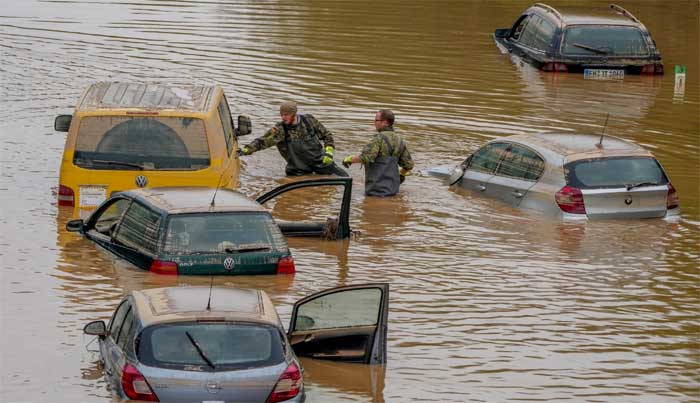
Environmental groups said the timing is particularly concerning as weather agencies continue to warn about rising temperatures and increased flood risks in the region. Critics contend that reducing climate planning efforts could leave governments less prepared for future environmental and security challenges.
Comments are closed.