
Siddaramaiah’s caste survey push: how Karnataka’s data politics could reshape equations and test Shivakumar’s leadership

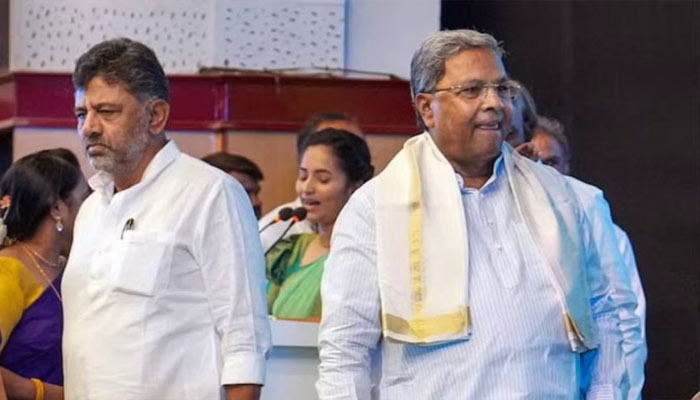
In a politically significant move on the final stretch of his tenure, outgoing Karnataka Chief Minister Siddaramaiah formally received.
The long-delayed socio-economic and education survey report, commonly referred to as the caste census, setting the stage for a major policy and political debate in the state.
By accepting the report before stepping down, Siddaramaiah has ensured that the document—containing detailed caste-wise demographic and socio-economic data—remains an official government record, making it difficult for future administrations to ignore or quietly set aside.
The timing of the decision has immediately sharpened political focus in Karnataka, where the survey is expected to have far-reaching implications for reservations, welfare allocations, and representation across communities. If the data significantly revises population estimates for OBCs, Dalits, and minorities, it could trigger renewed demands for redistribution of quotas and state resources.
At the same time, the findings are likely to intensify resistance from politically influential communities such as Lingayats and Vokkaligas, who may view any recalibration of benefits as a reduction in their traditional share of power and opportunity. This sets up a potentially prolonged policy and legal contest over how the data is interpreted and implemented.
The development also carries clear internal political consequences for the Congress party. While Siddaramaiah has positioned the exercise as part of a broader social justice agenda aligned with the party’s national push for a caste census, the responsibility of navigating its fallout now shifts to his successor, D. K. Shivakumar.
Shivakumar, who represents a dominant community base and manages competing internal expectations within the party, is expected to face pressure both from within the cabinet and from social groups wary of the survey’s conclusions. The report is therefore set to become not just a policy document, but a central political flashpoint shaping Karnataka’s next phase of governance.
Comments are closed.