
India successfully tests ballistic missile defence and anti-ship systems in three flight trials

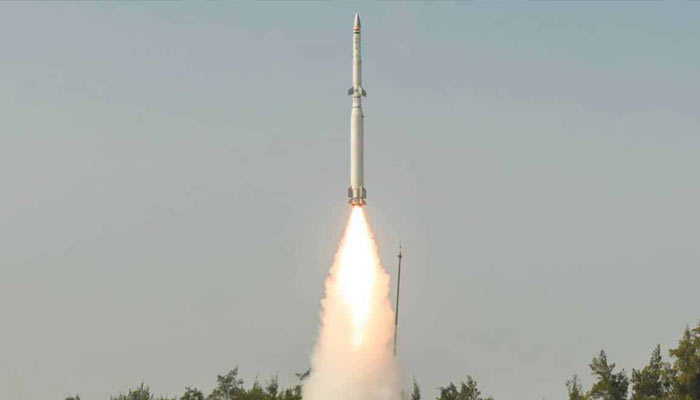
India’s defence research establishment has marked a significant milestone after successfully carrying out three consecutive missile flight tests over,
June 10 and 11, showcasing advancements in both ballistic missile defence and anti-ship warfare capabilities, the Defence Research and Development Organisation (DRDO) said.
According to the DRDO, the trials demonstrated integrated defensive systems designed to counter a range of aerial and maritime threats, reinforcing India’s layered missile defence architecture.
Ballistic missile defence breakthrough
The tests included validation of a multi-layered ballistic missile defence (BMD) system capable of intercepting long-range incoming threats, including those of intercontinental ballistic missile (ICBM) class.
Officials said the interceptors successfully engaged their designated targets, confirming the system’s ability to detect, track and neutralise ballistic missiles across different phases of flight. The trials are seen as part of India’s effort to strengthen strategic deterrence through advanced missile interception capability.
Anti-ship missile capability tested
In addition to the BMD trials, the DRDO also conducted the maiden flight test of the Naval Anti-Ship Missile–Medium Range (NASM-MR). The missile is designed to strike enemy vessels at medium range and enhance India’s naval strike capability.
The back-to-back trials were conducted within a 24-hour window and witnessed by senior officials from the DRDO and the armed forces, underscoring coordinated execution across multiple complex systems.
Official reactions
Secretary, Department of Defence R&D and DRDO Chairman Rajesh Kumar Singh monitored the tests and praised the teams involved for successfully completing multiple missions in quick succession.
Defence Minister Rajnath Singh also congratulated the organisation, calling the successful demonstrations a major boost to India’s defence preparedness and indigenous technological capability.
Comments are closed.