
Iran May Offer Hormuz Passage Exemptions to India, China and Others, But Four Key Risks Remain

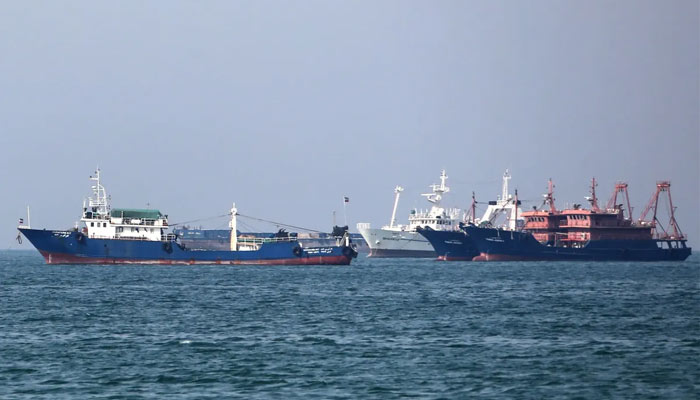
Iran’s Hormuz Exemptions for India, China and Others Come With Four Major Risks for Shipping and Energy Markets
Iran’s reported plan to allow commercial vessels from India, China, Qatar and Iraq to pass through the Strait of Hormuz despite wider transit restrictions has raised questions about the safety and economic implications of the arrangement.
The proposed exemptions could provide some relief to countries dependent on the strategically important waterway. However, maritime security threats, possible US sanctions, rising insurance costs and Tehran’s ability to change access conditions could complicate the arrangement.
According to reports cited by Al Jazeera, BBC and other media outlets, Iran’s selective approach to maritime access comes amid escalating tensions with the United States and restrictions affecting shipping through the region.
Analysts have identified four major risks that could affect countries, shipping companies and international energy markets.
1. CONTINUED THREAT OF MILITARY ATTACKS
The first major concern is that an exemption granted by Iran does not necessarily guarantee safe passage through the Strait of Hormuz.
The waterway remains exposed to military activity, including drone attacks, naval confrontations, sea mines and shore-based missiles. In such an environment, commercial vessels could be caught in crossfire or mistakenly identified during military operations.
One incident highlighting these concerns involved the Indian-flagged dhow MSV Al-Jusufi, which was reportedly struck by an unidentified aerial object near Oman’s coast shortly before the exemption announcement. An Indian sailor lost his life in the incident.
The possibility of further attacks remains a serious concern for shipping operators, even if their vessels are included in Iran’s permitted list.
2. RISK OF US SANCTIONS AND FINANCIAL PENALTIES
A second concern involves the potential consequences of conducting commercial transactions with Iran.
Reports indicate that Tehran has considered charging transit fees to vessels using the proposed corridor. However, payments to Iranian authorities could expose shipping companies, financial institutions and other commercial entities to US sanctions.
Washington has maintained extensive sanctions against Iran and could take action against companies or individuals found facilitating prohibited transactions.
Businesses that become exposed to sanctions could face restrictions on accessing US financial institutions, dollar-based transactions and international banking services.
This creates a difficult choice for shipping companies: use the route under Iranian conditions or avoid transactions that could expose them to financial and legal consequences.
3. HIGHER INSURANCE COSTS COULD MAKE TRANSIT EXPENSIVE
The third challenge concerns the rising cost of maritime insurance.
Even if Iran permits vessels from selected countries to cross the Strait of Hormuz, international insurance companies will independently assess the security situation before covering ships operating in the region.
The continuing threat of military attacks and naval confrontations could result in higher war-risk insurance premiums.
Shipping operators may also face additional costs related to security arrangements, delays, rerouting and possible damage to cargo.
Consequently, the financial benefits of receiving preferential passage could be reduced or eliminated by the additional expenses associated with operating in a conflict-affected maritime corridor.
4. IRAN COULD USE ACCESS AS A GEOPOLITICAL BARGAINING TOOL
The fourth concern is the possibility that Iran could use maritime access as leverage in its diplomatic and economic dealings with other countries.
Tehran’s selective exemption policy reportedly links access conditions to the broader interests of individual countries. Reports have suggested that India’s access could be connected to medicine imports, while China’s position could be influenced by its diplomatic support for Iran.
Such arrangements could make maritime access dependent on changing political relationships rather than stable international rules.
The list of countries receiving preferential treatment could also change if diplomatic tensions increase or Iran’s strategic priorities shift.
A sudden withdrawal of exemptions could disrupt shipping schedules, delay energy deliveries and leave commercial operators facing uncertainty over their next passage through the region.
STRAIT OF HORMUZ REMAINS CRITICAL TO GLOBAL ENERGY SUPPLIES
The Strait of Hormuz is one of the world’s most important energy transit routes, carrying approximately one-fifth of global oil and petroleum liquids consumption under normal conditions.
Any prolonged disruption can affect crude oil prices, shipping costs, energy supplies and inflation across major importing economies.
For India, which depends heavily on imported crude oil and energy shipments from the Gulf region, maintaining reliable maritime access is particularly important.
Although Iran’s proposed exemptions could offer an alternative arrangement for selected countries, their practical value will depend on security guarantees, international sanctions exposure, insurance availability and the stability of diplomatic agreements.
Ultimately, permission from Tehran alone may not be enough to make commercial shipping through the Strait of Hormuz safe, affordable or predictable.
Comments are closed.