
‘It’s Time To End This War’: Trump Tells Netanyahu Iran Deal Could Be Signed Within Days

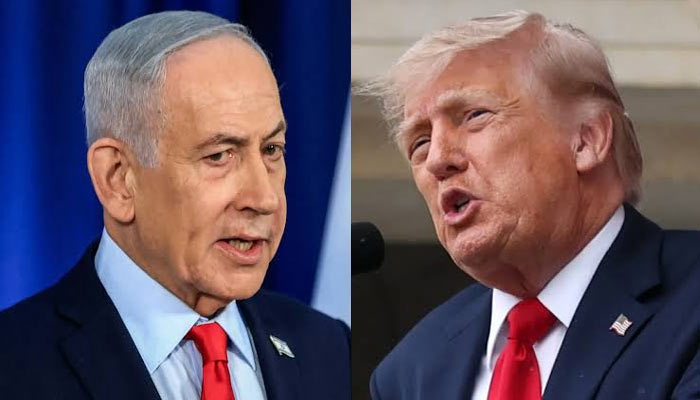
Trump Tells Netanyahu Iran Peace Deal Could Be Signed Within Days as Ceasefire Framework Nears
US President Donald Trump has told Israeli Prime Minister Benjamin Netanyahu that a peace agreement with Iran could be finalized within days, signalling growing confidence in diplomatic efforts to end months of conflict in the Middle East.
According to a senior US official cited by Axios, Trump told Netanyahu during a recent phone call that the proposed agreement represented the best available path forward.
“This is the deal. It’s a great deal, and it’s time to end this war,” Trump reportedly told the Israeli leader.
The conversation comes as officials in Washington and Tehran indicate that negotiations have made substantial progress, although a final agreement has yet to be signed.
Netanyahu faces difficult political choices
The apparent breakthrough places Netanyahu in a politically delicate position.
Since the conflict began, the Israeli prime minister has argued that sustained military pressure could fundamentally weaken Iran and potentially reshape its political landscape. However, recent developments suggest Israel may have limited room to oppose a US-led diplomatic settlement.
According to US officials, Netanyahu acknowledged during the conversation that Trump was determined to move ahead with the agreement. The Israeli leader reportedly said he trusted the US president to ensure that any final deal adequately addressed concerns over Iran’s nuclear ambitions.
The issue has already become a point of contention in Israeli politics, with opposition figures accusing Netanyahu of becoming overly dependent on Washington’s decisions regarding the conflict.
Israeli concerns remain
Despite avoiding direct public criticism of the White House, Israeli officials continue to harbour reservations about the proposed agreement.
One major concern is that sanctions relief and renewed oil exports could provide Iran with economic breathing room without securing sufficiently strong commitments on its nuclear programme.
Israeli Defence Minister Israel Katz said that while the United States was pursuing an agreement based on its own strategic interests, Israel expected core concerns regarding Iran’s nuclear activities, ballistic missile programme and regional proxy networks to remain central to any settlement.
Katz also reiterated that Israel would retain the ability to act independently if it believed Iran was moving closer to acquiring nuclear weapons.
Israeli security officials are also closely watching discussions involving Lebanon, fearing that broader ceasefire arrangements could restrict future military operations against Hezbollah.
Washington sees growing momentum
US officials have expressed increasing optimism about the prospects of a deal.
According to reports, the administration believes a framework agreement could be signed within days, paving the way for a 60-day ceasefire and the launch of more detailed negotiations covering sanctions relief, regional security and Iran’s nuclear programme.
Officials reportedly estimate the chances of a successful agreement at between 80 and 85 per cent, significantly higher than previous assessments.
The proposed framework would also seek to restore commercial navigation through the Strait of Hormuz and ease disruptions affecting regional energy markets.
What the agreement could include
According to US officials, the initial framework would establish conditions for a ceasefire while creating a roadmap for future negotiations.
Washington is expected to push for measures aimed at limiting Iran’s nuclear capabilities, including restrictions on uranium enrichment and enhanced monitoring mechanisms.
Officials stressed that Iran would not receive immediate economic benefits simply by signing the agreement. Any sanctions relief or financial incentives would be tied to verified compliance with its commitments under the deal.
The administration also views the proposed framework as a potential foundation for a wider regional arrangement involving Israel, Iran, Lebanon and Gulf nations, with the long-term goal of reducing tensions and creating new pathways for economic and diplomatic engagement.
While significant hurdles remain, the latest developments suggest that diplomatic efforts to end the conflict may be closer to fruition than at any point since the war began.
Comments are closed.