
Unlike Ayatollah Khamenei, Son Mojtaba Seen as More Open to Iran’s Nuclear Ambitions

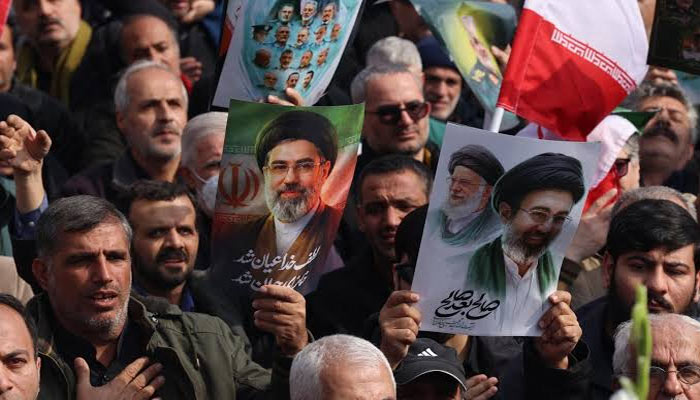
Mojtaba Khamenei Seen as More Open to Nuclear Weapons Than His Father, Says Report
Iran’s new Supreme Leader, Ayatollah Mojtaba Khamenei, is viewed by US intelligence agencies as being more willing than his father, the late Ayatollah Ali Khamenei, to pursue nuclear weapons, according to a report by The New York Times.
Ali Khamenei was killed during the opening phase of the joint US-Israeli military strikes on Iran on February 28, an operation that triggered a wider regional conflict. While the former supreme leader consistently defended Iran’s nuclear programme, US officials reportedly believed he remained cautious about taking the final step toward building a nuclear weapon.
US intelligence assessment
According to The New York Times, American intelligence agencies believe Mojtaba Khamenei and several hardline figures who have gained influence since the conflict are more inclined to advance Iran’s nuclear weapons capability.
However, the report notes that Mojtaba has never publicly advocated developing nuclear weapons, and much of the intelligence regarding his views was gathered before the latest conflict.
Limited public appearances
Since assuming the country’s top leadership, Mojtaba Khamenei has largely stayed out of public view. According to the report, he was seriously injured in the strike that killed his father and has since limited his public appearances and communications because of security concerns and his medical condition.
The report also claims he did not attend his father’s funeral despite leading the country’s political establishment, adding to speculation about his health and security.
Nuclear tensions remain high
Relations between the United States and Iran remain deeply strained over Tehran’s nuclear programme. The standoff has intensified since the collapse of the 2015 nuclear agreement, with both countries accusing each other of undermining diplomatic efforts.
The current Iranian leadership is also seen as taking a tougher negotiating position with Washington while maintaining a firm stance on strategic waterways, including the Strait of Hormuz.
Iran reportedly rebuilding nuclear infrastructure
Separately, The Wall Street Journal reported that Iran has taken steps to preserve and rebuild parts of its nuclear programme after US strikes targeted key nuclear facilities, including Natanz, Fordow and Isfahan.
According to the report, US officials believe Iran has relocated some centrifuges to a heavily fortified underground site known to American intelligence as Pickaxe Mountain, which is considered more resistant to future military strikes.
With fighting continuing and diplomatic efforts stalled, concerns remain that Iran’s nuclear programme could become an even more contentious issue in the ongoing confrontation between Tehran, Washington and Israel.
Comments are closed.