
14 Nations Join Saudi-Led Naval Coalition as Red Sea Tensions Push Oil Towards $90

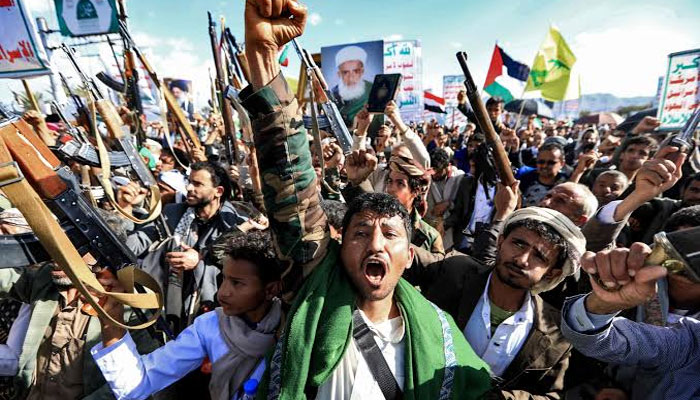
Saudi Arabia Launches 14-Nation Maritime Coalition to Protect Red Sea Shipping Amid Houthi Threats
Saudi Arabia and 13 other countries have agreed to establish a multinational maritime security coalition to safeguard key shipping routes in the Bab el-Mandeb Strait, the Red Sea and the Gulf of Aden, as regional tensions continue to disrupt global trade and energy supplies.
The agreement was signed in Riyadh on Thursday during a meeting attended by military chiefs and representatives from 43 countries, along with a delegation from the European Union.
14 Countries Join Coalition
According to the Saudi Ministry of Defense, the founding members are:
Saudi Arabia
Kuwait
Bahrain
Qatar
Pakistan
Turkey
Egypt
Jordan
Yemen
Bangladesh
Nigeria
Sudan
Djibouti
Somalia
Saudi Arabia will host the coalition’s headquarters and serve as its founding nation. The alliance will include a joint command structure, an operations control centre and a general secretariat. Riyadh said additional countries will be able to join after completing their domestic accession procedures.
Mission Focused on Maritime Security
Saudi Arabia said the coalition is a defensive alliance aimed at protecting freedom of navigation, securing international trade and energy shipments through the Bab el-Mandeb Strait, and improving intelligence sharing, coordination and joint naval exercises among member states.
The ministry added that the initiative is not directed against any specific country or organisation and will operate in accordance with international law while respecting the sovereignty of participating nations.
Rising Tensions in the Red Sea
The coalition comes after Yemen’s Iran-backed Houthi movement announced a naval blockade against Saudi Arabia on July 20, accusing the kingdom of besieging Yemen—an allegation Riyadh has denied.
Since then, the Houthis have targeted vessels linked to Saudi Arabia in the Red Sea, while Saudi forces have carried out airstrikes on Houthi positions around Yemen’s Hodeidah port, saying the sites were being used to threaten commercial shipping.
The announcement also follows Saudi Defence Minister Prince Khalid bin Salman’s recent visit to the United States, where regional security and attacks on Saudi infrastructure were among the key issues discussed.
Shipping Disruptions Push Oil Prices Higher
The latest initiative comes against the backdrop of continued disruption at the Strait of Hormuz, a critical global energy chokepoint that has remained largely closed to commercial shipping since early March amid the broader Iran-Israel-US conflict.
According to shipping tracker PortWatch, tanker traffic through Hormuz has dropped sharply from around 88 vessels a day before the crisis to just 10 daily transits in late July. The disruption has contributed to rising energy prices, with Brent crude trading close to $90 a barrel.
Why Bab el-Mandeb Matters
The Bab el-Mandeb Strait is one of the world’s busiest maritime corridors, carrying around 12% of global seaborne trade. It also provides access to the Suez Canal, a vital route connecting Asia and Europe.
Security threats in the region have forced many shipping companies to reroute vessels around Africa’s Cape of Good Hope, extending voyages by up to two weeks and increasing freight and fuel costs. Industry analysts warn that prolonged disruptions could translate into higher prices for imported goods worldwide as transport costs are passed on to consumers.
Saudi Arabia has rejected Houthi claims that it is imposing a blockade on Yemen, while its foreign ministry has not issued any statement beyond the Ministry of Defense’s announcement.
Comments are closed.