
SC says listening to youth is the ‘most powerful force’ to prevent protest violence

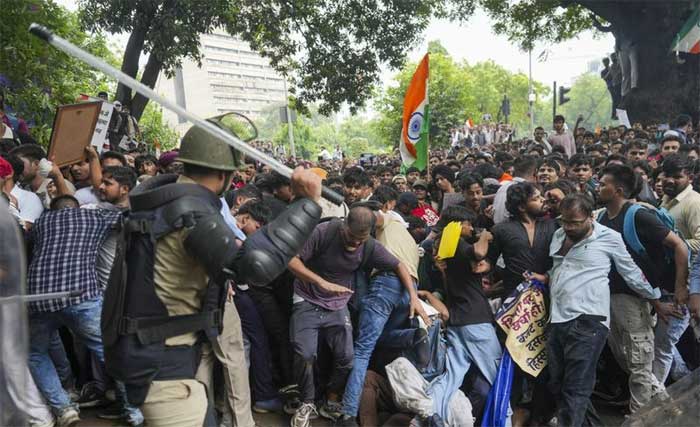
The Supreme Court on Wednesday observed that the most effective way to prevent violence during protests is to listen to young people and counsel them, warning that excessive use of state power could worsen tensions.
A bench led by Chief Justice of India Surya Kant made the remarks while agreeing to hear a petition seeking action against the organisers of the July 20 “Sansad Chalo” march in Delhi, where violence had broken out. The court tagged the plea with pending petitions related to the nationwide student protests and allegations of police excesses.
During the hearing, the bench stressed that young protesters should be handled with restraint rather than confrontation.
“The most powerful force is listening… listen to them and understand why they are there,” the bench observed, adding that counselling and dialogue were preferable to “aggressive action in the name of the mighty State,” which could trigger further unrest.
The petition, filed by former Indian Air Force officer Manish Solanki, sought action against the organisers and alleged rioters involved in the protest. It also urged the court to prevent governments from withdrawing rioting cases solely on political grounds and sought community service for those found guilty of violence or making derogatory remarks against police personnel.
The petitioner’s counsel argued that organisers should also be held accountable for the violence and alleged that the march was held without permission and in violation of several conditions.
The Supreme Court, however, reiterated that democratic movements should begin peacefully and that authorities must also exercise restraint if isolated incidents occur during protests.
The bench said it would consider the issues alongside the larger batch of petitions arising from the NEET protest controversy and hear all stakeholders before taking a view. It added that operational decisions on maintaining law and order should remain with the police while the court examines broader legal and constitutional questions.
The matter is part of the apex court’s continuing scrutiny of the fallout from the July 20 student protests, including the withdrawal of criminal cases against eligible protesters, possible investigations into police action, and proposed guidelines on the use of pellet guns during crowd-control operations.
Comments are closed.