
Indian Business Travellers Face China Visa Hurdles as Rejections Soar Up to 95%

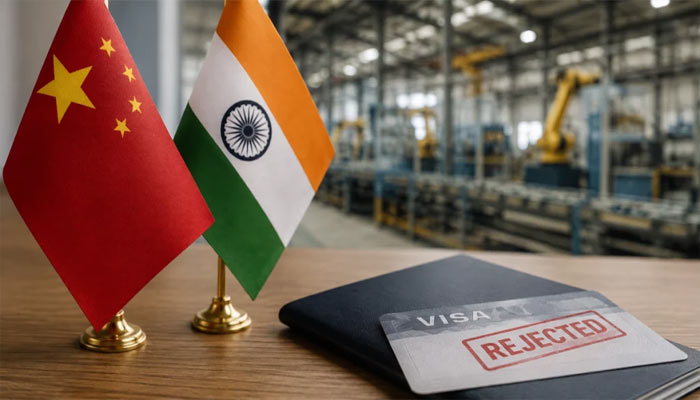
Indian companies sending employees to China for business are facing growing difficulties, with visa approval rates reportedly falling sharply and rejection rates rising to as high as 95% for some firms.
The tighter scrutiny is creating uncertainty for Indian businesses that depend on regular travel to China for factory visits, technical assignments, sourcing, negotiations and other commercial activities.
Indian Firms Face Growing Visa Hurdles
According to a report by The Economic Times, several Indian companies are now reporting approval rates of only 20% to 40% for business visa applications. Some firms have reportedly seen rejection rates climb as high as 95%.
Executives cited in the report said the process has become slower and less predictable, with applicants facing greater scrutiny than in the past.
The development is particularly important for Indian manufacturers and technology companies with operations or supply chains linked to China. Businesses often need to send engineers, executives and technical teams to Chinese factories for inspections, troubleshooting, sourcing and negotiations.
Why China Travel Is Important for Indian Businesses
China remains a major source of machinery, components and capital goods for Indian industries. Some manufacturers reportedly source up to half of their capital equipment and components from China.
Industries such as electronics and automotive contract manufacturing can therefore depend heavily on the ability of employees to travel to China.
With business visas becoming harder to secure, some companies are reportedly moving meetings and business discussions to alternative locations, including Singapore, Thailand, Malaysia and Hong Kong.
While there is no reported blanket ban on business visas for Indian nationals, the sharp fall in approvals has raised concerns among companies that require frequent travel.
What Is China’s M Visa?
China’s M visa is issued to foreign nationals travelling for commercial and business purposes. It can be used for activities such as trade, business meetings, factory visits and participation in trade fairs.
Applicants generally need to complete the China Online Visa Application (COVA), provide the required documents and submit their passports through an authorised visa application centre.
An invitation letter from a Chinese company is also generally required, with details provided on the company’s official letterhead and bearing its seal.
Why the New Rules Matter
The reported visa restrictions come ahead of changes to China’s exit and entry regulations that are scheduled to take effect on September 15, 2026.
The revised framework is expected to give Chinese authorities greater powers in areas involving travel verification, electronic devices and national and technological security.
For Indian professionals, the combination of tighter visa scrutiny and expanded security checks could make business travel to China more complicated.
For companies that rely on Chinese suppliers, manufacturers and technical partners, prolonged visa delays could translate into higher costs, disrupted schedules and a greater reliance on alternative locations for meetings and technical work.
The developments therefore have implications beyond individual visa applications, potentially affecting how Indian companies manage their China-linked operations and supply chains.
Comments are closed.