
US Set to Raise H-1B Visa Fee Above $100,000, Indian Professionals Face Major Impact

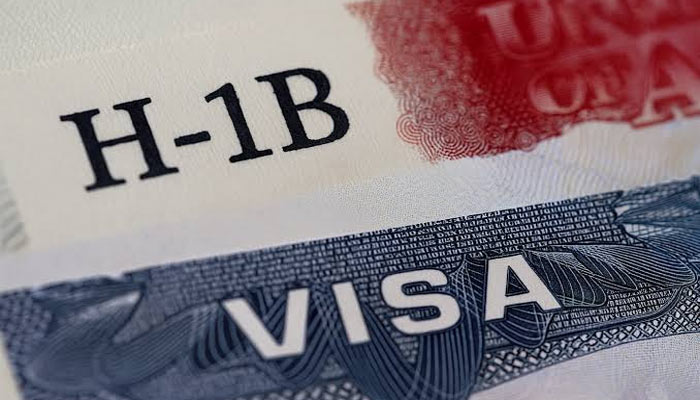
The Trump administration is preparing new measures that could significantly increase immigration costs for foreign workers and international students in the US, with Indians likely to be among the most affected.
The US Department of Homeland Security is planning to raise the H-1B visa fee to $103,265, according to a notice posted in the Federal Register on Monday.
If implemented, the proposed changes could increase costs for companies sponsoring H-1B workers as well as foreign nationals seeking employment in the United States after completing their studies.
INDIANS COULD BE HIT HARDEST
The proposed increase is particularly significant for Indian professionals because they account for more than 70% of H-1B beneficiaries.
US Citizenship and Immigration Services approved 399,402 H-1B petitions in 2024, with Indian-born beneficiaries making up about 71% of the total.
Immigration services firm Fragomen said the proposed measures have already been reviewed by the White House Office of Management and Budget.
According to the firm, a proposed rule concerning fees for the Optional Practical Training programme was submitted to OMB on August 20. A separate proposal involving fees on certain H-1B petitions was submitted and cleared review on August 19.
OPT FEE COULD ALSO RISE
The administration may also introduce a new fee for certain F-1 students using Optional Practical Training to gain work experience in the US after completing their studies.
Fragomen said the Department of Homeland Security could propose a fee of $100,000 for OPT applications. The firm also indicated that the proposed H-1B fee could be connected to ongoing legal challenges surrounding the administration’s earlier attempt to impose a $100,000 fee on H-1B petitions.
However, the details of the proposed rules remain confidential and will only become clear once the government formally publishes them.
H-1B WORKERS FACE ANOTHER POTENTIAL CHANGE
The possible fee increases come alongside a separate DHS proposal that could remove an important safeguard for unemployed H-1B workers.
Earlier this month, the department proposed eliminating the existing 60-day grace period available to certain H-1B workers after their employment ends.
Under the current framework, eligible workers generally have up to 60 days, or until the end of their authorised stay, to find another employer or take other steps to maintain legal status.
Removing that window could force affected workers and their dependants to leave the US much sooner if their employment ends.
INDIA-US IMMIGRATION UNDER FRESH PRESSURE
The proposed changes could have a particularly significant impact on the Indian community in the US, given the country’s dominant share of H-1B beneficiaries.
More than 5.2 million people of Indian origin live in the United States, according to recent estimates based on US Census data.
With higher potential visa costs and possible changes to employment protections, Indian students, skilled workers and US employers that rely on H-1B talent could face a substantially different immigration landscape if the proposed measures are finalised.
Comments are closed.