
AI, Nuclear Conflict and Bioweapons Could Threaten Humanity’s Survival by 2100: Report

AI Misuse, Nuclear War and Bioweapons Could Threaten Humanity by 2100, Lancet Report Warns
The misuse of artificial intelligence (AI), nuclear conflict and biological weapons could pose serious threats to humanity’s survival by the end of this century, according to a new report published in The Lancet. While the possibility of human extinction remains low, researchers have warned that these risks require urgent attention and coordinated global action.
Titled Lancet Commission on 21st Century Global Threats to Health, the report identifies 17 major threats that could undermine human health and well-being over the next 75 years. Alongside nuclear war and the misuse of AI, the list includes climate change, air pollution, malnutrition, obesity, antimicrobial resistance and reductions in international aid.
The commission, comprising 35 experts, stressed that these threats are interconnected and must be addressed through a coordinated approach. Its findings are scheduled to be presented at the World Health Summit in Berlin, Germany.
“Malicious use of AI, including bioweapons, and nuclear conflict with nuclear famine carry risks of extinction in the next 75 years,” the report warned.
AI and Biological Weapons Raise Concerns
The report highlights the possibility that artificial intelligence could be misused to facilitate the development of biological weapons. Such weapons could cause widespread harm, potentially resulting in mass casualties and, under extreme circumstances, threatening the survival of humanity.
Researchers emphasised that the rapid development of emerging technologies makes it essential for governments to strengthen safeguards and prepare for potential threats.
Professor Christopher Murray, co-chair of the commission and director of the Institute for Health Metrics and Evaluation at the University of Washington, underlined the long-term consequences of decisions made by policymakers.
“Decisions made by leaders today will shape the health and wellbeing of the next generation,” Murray said.
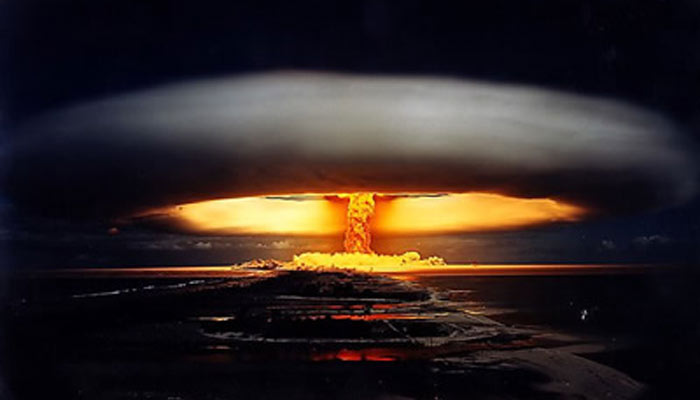
The commission also warned that nuclear conflict could have catastrophic consequences beyond the immediate destruction caused by explosions and radiation. A large-scale nuclear war could send enormous quantities of soot and particles into the atmosphere, blocking sunlight, disrupting agriculture and reducing global food supplies.
The resulting nuclear winter could trigger widespread famine, putting billions of people at risk and potentially threatening humanity’s survival.
An accompanying editorial in The Lancet also highlighted the devastating consequences these threats could have if preventive measures are not taken.
17 Major Threats to Human Health Identified
Apart from nuclear war and the misuse of AI, the commission identified 15 other threats that could significantly affect global health over the coming decades.
These include climate change, air pollution, antimicrobial resistance, childhood malnutrition, conventional wars, cuts in international aid, excessive alcohol consumption, high blood pressure, income inequality, inadequate education, natural pandemics, obesity, poor mental health, smoking and unhealthy ageing.
To assess the potential consequences, researchers estimated the number of healthy life years that could be lost due to illness, disability and premature death. They used disability-adjusted life years (DALYs), a measure that combines years lost to early death with years lived in poor health.
The report classified threats capable of causing the loss of more than one billion healthy life years as major catastrophic risks.
Climate Change Could Cause Massive Health Losses
Climate change emerged as one of the most significant long-term threats to global health. The report suggests that limiting global warming to approximately 1.8 degrees Celsius, rather than allowing temperatures to rise to 4.4 degrees Celsius, could prevent the loss of 1.89 billion healthy life years by 2100.
The findings underline the potential health benefits of reducing greenhouse gas emissions and limiting the rise in global temperatures.
The commission also examined the consequences of a major reduction or collapse in international health assistance. Such a scenario could result in the loss of up to 1.5 billion healthy life years by the end of the century.
Nearly 70 per cent of these losses could occur in sub-Saharan Africa, where childhood malnutrition and limited access to healthcare remain major challenges.
Health Risks Differ Across Regions
According to the report, the most pressing health threats vary depending on a region’s economic and social circumstances.
In higher-income regions, obesity and poor mental health are among the major concerns. In lower-income countries, inadequate education and childhood malnutrition contribute significantly to poor health outcomes.
The researchers stressed that governments must account for these regional differences while developing strategies to prevent and manage future crises.
Reflecting on the commission’s findings, Murray said the initial assessment had focused on three broad threats: conflict, climate change and pandemics. The research subsequently revealed a much wider range of risks requiring attention.
He called on governments to dedicate adequate funding and personnel to anticipating, preventing and preparing for this diverse set of threats.
Experts Call for Long-Term Preparedness
The commission argues that identifying potential threats early is essential to protecting future generations. Governments, international organisations and public health institutions will need to strengthen prevention measures, improve preparedness and cooperate across national boundaries.
The researchers also plan to update the report annually to monitor existing threats and identify emerging risks.
Although the report does not predict that humanity will become extinct by 2100, it warns that failing to address interconnected global threats could result in enormous health losses and potentially catastrophic consequences. Its central message is that early intervention, international cooperation and sustained investment in prevention can help reduce these risks.
Comments are closed.