
Scott Bessent Signals Fresh Iran Sanctions: Why a Major Bank Could Face US Action Monday

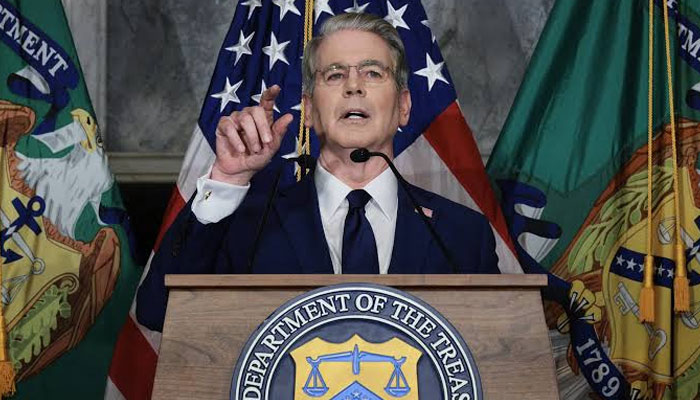
The Trump administration is preparing to impose sanctions on another “large bank” as Washington steps up economic pressure on Iran, Treasury Secretary Scott Bessent has said.
However, Bessent did not disclose the bank’s name or reveal which country it is based in. Speaking on “Real America’s Voice” on Thursday, Bessent said the sanctions were initially scheduled for Friday but were postponed because of the 25th anniversary commemorations of the September 11, 2001, terrorist attacks. The measures are now expected to be announced as the US intensifies efforts to restrict Iran’s access to international financial networks.
Bessent Warns Banks Doing Business With Iran
Bessent described Iran as a “cornered and wounded” animal and said Washington would continue increasing economic pressure until transactions with the Iranian regime are curtailed.
He warned banks, companies and individuals that continuing to do business with Tehran could expose them to severe financial consequences. According to Bessent, the administration wants to make dealings with Iran so costly and risky that businesses will think twice before continuing such transactions.
He also signalled that Washington intends to pursue entities that continue supporting Iran despite US restrictions, underscoring the expanding scope of the sanctions campaign.
Why Is the US Targeting Iran’s Financial Network?
The planned bank sanctions are part of a broader US strategy to isolate Iran financially and restrict the channels through which Tehran earns revenue or bypasses existing sanctions.
In August, Bessent announced a campaign dubbed “Operation Economic Outcast”, targeting financial networks, companies and countries accused of helping Iran generate revenue or circumvent US restrictions.
Bessent has previously warned that continued sanctions pressure could push Iran’s economy toward a severe crisis within weeks or months. He has maintained, however, that economic collapse itself is not Washington’s primary objective. Instead, the administration wants financial pressure to force Tehran to change its policies.
US Previously Sanctioned Turkish Bank
Washington has already targeted financial institutions accused of facilitating Iran-linked transactions. Earlier this month, the US Treasury Department sanctioned Turkish lender Golden Global Bank and its subsidiaries.
The US alleged that the bank helped move tens of millions of dollars in transactions connected to Iran’s Islamic Revolutionary Guard Corps-Qods Force. Washington also accused the lender of facilitating the movement of Iranian oil revenues from China to Turkey through gold and cash transactions.
Golden Global Bank rejected the allegations, saying it had complied with domestic and international banking regulations and that its transactions did not support the activities cited by the US. The bank said it would challenge the sanctions through legal channels.
Sanctions Expand Beyond Banks
The Trump administration has also widened its campaign beyond financial institutions. The Treasury Department recently sanctioned 27 Iranian airlines, along with nine foreign entities, cargo providers and sales agents.
The measures are intended to restrict Iran’s ability to use international companies and financial networks to generate revenue and maintain access to global markets.
In July, the Treasury also imposed sanctions on two Iran-linked companies accused of supporting an Islamic Revolutionary Guard Corps-backed maritime scheme.
Iran Admits Sanctions Are Hurting Economy
Iranian President Masoud Pezeshkian has acknowledged that US sanctions are placing significant pressure on the country’s economy.
Pezeshkian recently said Iran’s oil trade had declined by roughly 25% to 35% and that imports had fallen even more sharply than exports. He also pointed to fuel shortages and other economic difficulties facing the country.
Rejecting claims that sanctions have little impact, Pezeshkian said Iran is dealing with “many problems” as US pressure continues to intensify.
What Could the New Bank Sanctions Mean?
The identity of the bank targeted by Washington remains unknown. Bessent has not disclosed its name, country of operation or the specific activities that prompted the planned sanctions.
The move could nevertheless mark another significant step in the US effort to restrict Iran’s access to the international financial system. Targeting a major bank would also send a warning to other financial institutions and companies that transactions involving Iran could result in serious US penalties.
The upcoming action could further complicate Iran’s oil revenues, banking operations and access to international financial channels. The key question now is which “large bank” Washington intends to target and what role US authorities believe it has played in helping Iran navigate existing sanctions.
Comments are closed.