
India’s First Homegrown Dengue Vaccine May Be Available by 2027: What to Know About DengiAll

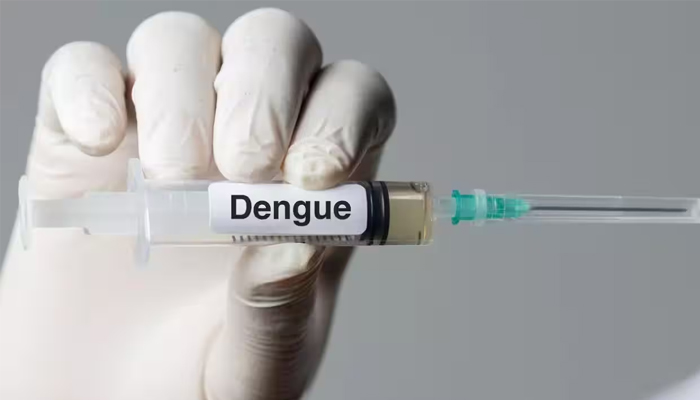
India could be closer to having its first home-grown dengue vaccine, with DengiAll currently undergoing a large Phase 3 clinical trial.
The indigenous vaccine candidate is being developed by Panacea Biotec in collaboration with the Indian Council of Medical Research (ICMR).
ICMR Director General Dr Rajiv Bahl has indicated that India could have its first indigenous dengue vaccine by the end of 2027, subject to successful trial results and regulatory approvals. The Phase 3 study is being conducted across 20 academic and research centres and involves more than 13,000 healthy participants.
Researchers have completed almost 12 months of follow-up so far. Participants are being monitored for safety, immune responses and laboratory-confirmed dengue infections. The trial results are expected to provide key evidence on how effectively the vaccine protects against dengue and how safe it is for the intended population.
What Is DengiAll?
DengiAll is being developed as a tetravalent dengue vaccine, meaning it is designed to target all four major dengue virus serotypes — DENV-1, DENV-2, DENV-3 and DENV-4.
According to the clinical development programme, the vaccine is a live-attenuated candidate designed to stimulate neutralising antibodies against the four dengue serotypes. It is also being evaluated as a single-dose vaccine, which, if ultimately approved, could make vaccination programmes easier to implement.
However, whether a single dose provides sufficient and durable protection will depend on the final Phase 3 findings and subsequent regulatory assessment.
Why Is a Dengue Vaccine Important?
Dengue is a mosquito-borne viral infection transmitted primarily by Aedes mosquitoes. It is common in tropical and subtropical regions, including India, and outbreaks can place considerable pressure on healthcare systems.
Typical symptoms include high fever, severe headache, muscle and joint pain, nausea and skin rash. While many infections are mild, some can progress to severe dengue, potentially causing bleeding, shock and other life-threatening complications.
There is currently no routinely used specific antiviral treatment that eliminates dengue infection. Prevention therefore remains an important part of controlling the disease, with mosquito control and measures to prevent mosquito bites playing a central role.
Why Develop an Indigenous Dengue Vaccine?
One of the challenges in developing a dengue vaccine is the presence of four major virus serotypes. Infection with one serotype does not necessarily provide complete protection against the others, making broad protection an important consideration in vaccine development.
An effective indigenous vaccine could provide another tool for dengue prevention in India, alongside efforts to eliminate mosquito breeding sites, reduce mosquito populations and improve early diagnosis and clinical care.
When Could DengiAll Be Available?
The end of 2027 is a potential timeline, not a confirmed launch date. Completion of the Phase 3 trial would be followed by detailed evaluation of the safety and efficacy data.
The vaccine would then need to undergo the required regulatory review and receive approval before it could be introduced for public use.
If the clinical trial produces favourable results and the necessary approvals are secured, DengiAll could potentially become India’s first indigenous dengue vaccine by the end of 2027.
What Happens Until Then?
Until a dengue vaccine is approved and made available, prevention remains crucial. Avoiding mosquito bites, removing stagnant water where mosquitoes can breed and seeking medical attention when dengue symptoms appear can help reduce the risk and severity of the disease.
The eventual impact of DengiAll will depend on the Phase 3 results, regulatory decisions and how the vaccine is incorporated into India’s broader dengue-control strategy.
Comments are closed.