
World Ozone Day 2026: UN Highlights ‘Global Action For A Cooler Planet’ Theme

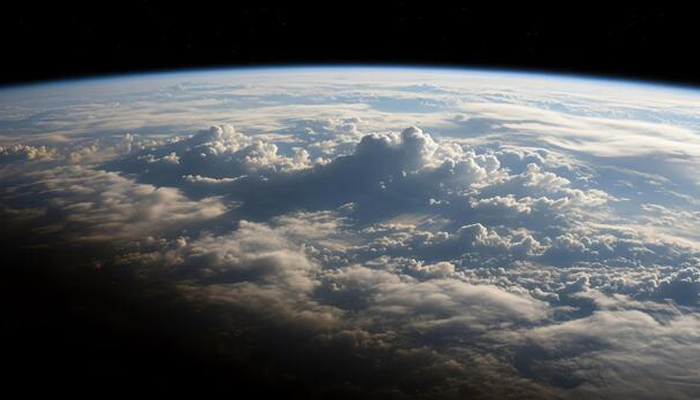
The United Nations observed World Ozone Day, officially known as the International Day for the Preservation of the Ozone Layer, on September 16.
This year’s theme, “Global Action for a Cooler Planet,” highlights the progress made through the Montreal Protocol and the role of its Kigali Amendment a decade after its adoption.
The UN says the Montreal Protocol remains an example of how science-based policymaking, international cooperation, effective compliance, reliable funding and strong partnerships can deliver measurable environmental results. The agreement has helped protect the ozone layer while supporting the transition by countries and industries towards safer and more environmentally friendly alternatives.
The Kigali Amendment has further expanded the treaty’s climate impact by targeting hydrofluorocarbons (HFCs), powerful greenhouse gases widely used in cooling equipment. The amendment aims to reduce global HFC consumption while encouraging the adoption of more energy-efficient and sustainable cooling technologies.
According to the UN, the experience of the past decade demonstrates that climate action can be aligned with economic development, technological progress and innovation in the cooling sector.
Why Is The Ozone Layer Important?
The ozone layer is a region of the atmosphere that acts as a natural shield against harmful ultraviolet radiation from the Sun. Its protection is essential for human health, ecosystems and life on Earth.
Scientists have identified several human-made chemicals that can damage the ozone layer. These include chlorofluorocarbons (CFCs), hydrochlorofluorocarbons (HCFCs), halons and other substances containing chlorine or bromine.
Why Is World Ozone Day Observed On September 16?
The UN General Assembly designated September 16 as the International Day for the Preservation of the Ozone Layer in 1994. The date commemorates the signing of the Montreal Protocol on Substances that Deplete the Ozone Layer in 1987.
September 16 also marked another milestone in 2009, when the Vienna Convention and the Montreal Protocol became the first treaties in UN history to achieve universal ratification.
UN Highlights Need For Sustainable Cooling
UN Secretary-General Antonio Guterres has highlighted the growing importance of access to efficient cooling as global temperatures rise and extreme heat becomes more frequent.
The UN says cooling solutions can be critical for protecting lives during periods of extreme heat, but their expansion must be achieved in a way that is both sustainable and accessible.
To commemorate World Ozone Day, the UN Environment Programme’s Ozone Secretariat has also prepared a social media campaign package in six languages. The material includes posters, information cards and suggested messages designed to raise public awareness about ozone protection and climate-friendly cooling.
Comments are closed.