
From Brazil’s Opening Speech to the Peace Bell: 7 Unusual UNGA Traditions You May Not Know

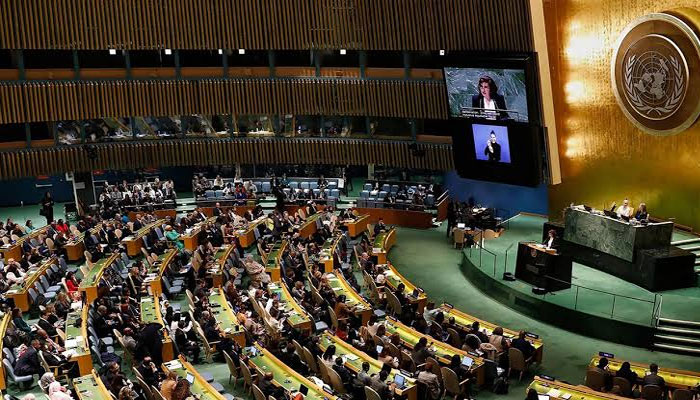
Every September, New York becomes the centre of global diplomacy as leaders from around the world gather for the United Nations General Assembly.
The annual event features major speeches, bilateral meetings and discussions on wars, conflicts, climate change and other global issues. But beyond the high-profile addresses and diplomatic meetings, the UNGA follows a number of longstanding traditions and rules. Some are rooted in decades-old practice, while others are easy to miss when watching the proceedings.
Here are seven interesting UNGA traditions and rules and the stories behind them:
1. Why Does Brazil Speak First at UNGA?
Brazil traditionally delivers the first speech during the General Debate of each UNGA session, followed by the United States, the host country.
The order is not based simply on alphabetical arrangement. The speaking sequence is decided in advance and follows a longstanding tradition. While several historical explanations have been offered for Brazil’s position, the precise origin of the practice remains unclear.
2. What Is the Story Behind the UN Peace Bell?
The Japanese Peace Bell outside the UN headquarters in New York has become a symbol of the organisation’s call for peace.
Presented to the United Nations in 1954, the bell was created using coins, medals and other contributions from people and representatives of more than 60 countries. It was the initiative of Japanese peace advocate Chiyoji Nakagawa.
Each year, the UN holds a ceremony around the bell on September 21 to mark the International Day of Peace.
3. Are UNGA Speeches Really Limited to 15 Minutes?
With more than 190 countries and observer delegations taking part in the General Debate, keeping speeches within a reasonable timeframe is essential.
The UN asks speakers to limit their remarks to around 15 minutes. However, the limit is described as “notional and voluntary”, meaning it is not an automatic cut-off. In practice, speakers do sometimes go beyond the suggested duration.
4. Who Maintains Order During the General Assembly?
The President of the General Assembly oversees proceedings and exercises several powers under the Assembly’s rules.
A representative must obtain permission from the President before addressing the Assembly. The President can also call a speaker to order if their remarks move away from the matter under discussion.
Delegations can raise a “point of order” if they believe the rules are not being followed. The President then rules on the matter, although that decision can itself be challenged and put to a vote.
5. How Can One Country Respond to Another?
UN rules provide countries with a mechanism known as the “right of reply”.
A delegation can seek permission to respond after another country makes a statement, particularly when it believes it has been criticised or misrepresented. Such replies are generally brief and are often delivered toward the end of a meeting, after the regular speakers’ list has closed.
6. Why Aren’t All UN Participants Full Members?
The United Nations currently has 193 Member States. Alongside them are two non-member Observer States: the Holy See and the State of Palestine.
Observer status allows these entities to participate in the work of the General Assembly, but it does not carry the same status as full UN membership. The distinction is particularly visible during major UN meetings, where representatives of both member and observer states participate in proceedings.
7. Why Don’t Delegates Applaud After Every Speech?
Even seemingly spontaneous reactions inside the General Assembly are governed by protocol.
UN rules ask delegations to refrain from offering congratulations in the Assembly Hall after a speech. The practice is intended to prevent disruptions and ensure that proceedings continue smoothly while showing consideration for other speakers.
These rules and traditions may appear minor compared with the major diplomatic issues debated at UNGA, but they help shape how one of the world’s most important international forums operates.
Comments are closed.