
IndiGo Flights Get Costlier From Today: Check How Much More You May Pay

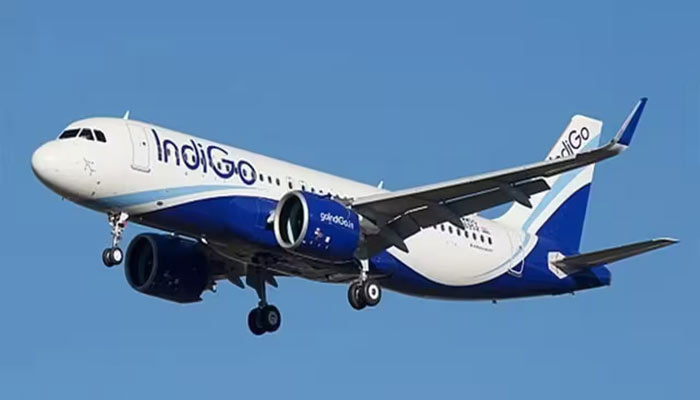
Planning a winter getaway? Your flight ticket could now cost more if you are flying with IndiGo.
The airline has revised its fuel charges from October 6, with domestic passengers paying an additional ₹375 to ₹1,300 per sector depending on the distance travelled.
The revised charges apply to new bookings made from 12:01 am on October 6, 2026. International travellers will also see higher fuel charges, with the increase varying by destination.
The fare revision comes after a sharp rise in Aviation Turbine Fuel (ATF) prices. Domestic ATF prices increased by more than 14% month-on-month, rising from around ₹121 per litre in September to approximately ₹137 per litre from October 1.
IndiGo Domestic Fuel Charges: How Much More Will You Pay?
IndiGo has moved to a distance-based structure for domestic fuel charges. The revised rates are:
Up to 500 km: ₹375
501–1,000 km: ₹600
1,001–1,500 km: ₹900
1,501–2,000 km: ₹1,150
Above 2,000 km: ₹1,300
Depending on the distance, the increase compared with the earlier structure ranges from ₹100 to ₹350 per sector.
For flights covering more than 2,000 km, the fuel charge has increased from ₹950 to ₹1,300. This means a passenger could pay ₹350 more for a one-way journey. On a return trip, the additional cost could reach ₹700 as the charge is applied separately to each sector.
What About International IndiGo Flights?
International passengers will also face higher fuel charges. Flights within the SAARC region will attract an additional ₹500 to ₹1,000 depending on the distance.
For flights to Southeast Asia, the Middle East and GCC, as well as North and East Asia, the fuel charge is around ₹5,500 per sector. Flights to Africa carry a charge of ₹6,000, while Europe has the highest surcharge at ₹10,000 per sector.
Why Has IndiGo Increased Its Fuel Charges?
IndiGo has linked the revision to the sharp increase in ATF prices, which account for a significant portion of airline operating costs.
According to the airline, ATF prices have risen by more than 14% month-on-month, taking fuel costs close to their highest levels in the past decade. The domestic price increased by around ₹16 per litre from October 1, moving from approximately ₹121 to ₹137 per litre.
What Should Passengers Do Before Booking?
Travellers planning winter or festive-season trips should compare the final ticket price rather than just the base fare. Fuel charges, taxes and other fees can significantly affect the amount payable.
Since the revised charge applies separately to each flight sector, passengers should also factor it into the cost of return journeys.
If your travel dates are flexible, checking flights a day or two earlier or later could help you find lower fares. It is also worth comparing other airlines operating on the same route.
Passengers should additionally check baggage allowances, seat-selection fees and other add-ons, as these can substantially increase the final ticket price even when the headline fare appears cheaper.
Comments are closed.