
PM Modi’s ‘Surprise’ Delhi Meeting: Bangladesh Envoy Calls On PM, Tarique Rahman Visit Discussed?

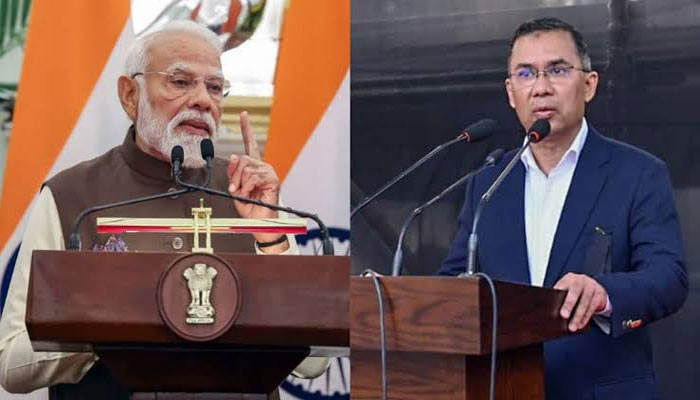
India-Bangladesh relations appear to be entering a significant phase.
With Indian High Commissioner to Bangladesh Dinesh Trivedi making an unscheduled visit to New Delhi and meeting Prime Minister Narendra Modi on Tuesday.
Trivedi arrived in the national capital late Monday and met Modi at around 1 pm, according to sources. The meeting comes as New Delhi and Dhaka explore the possibility of Bangladesh Prime Minister Tarique Rahman making a bilateral visit to India, with November and December being discussed as possible timeframes.
Sources said Trivedi briefed Modi on Dhaka’s position regarding Rahman’s potential visit as well as the broader issues influencing ties between the two neighbours.
The meeting assumes importance as India and Bangladesh seek to repair relations following the political upheaval in Bangladesh and Sheikh Hasina’s ouster in August 2024. Hasina’s continued presence in India remains a sensitive issue, with Dhaka seeking her extradition while New Delhi considers the request.
Tarique Rahman’s India Visit: From BRICS Invitation Dispute to Bilateral Talks
Rahman’s proposed India visit had been discussed for several months but did not take place around the BRICS Summit held in New Delhi in September.
India had invited Rahman separately for a bilateral visit and to attend the BRICS outreach session as chair of BIMSTEC. Dhaka raised concerns over the BRICS invitation, and Rahman ultimately did not attend. India later clarified that the two invitations were independent of each other.
Attention has since shifted towards a stand-alone bilateral visit.
Diplomatic discussions about a possible November trip had already emerged, with the two sides reportedly exploring dates in the second half of the month. Trivedi had also said last month that there was no need to rush the visit and that India’s invitation remained open.
His meeting with Modi comes as Dhaka faces several economic and strategic challenges that could add urgency to its engagement with New Delhi.
Bangladesh’s Energy Challenges
Bangladesh continues to grapple with pressure on its energy sector. Rahman has directed his government to boost coal-based power generation, make more gas available to industries and ensure timely LNG imports while working on a longer-term energy security strategy.
Disruptions in LNG supplies and shortages of domestic gas have added to the pressure. Rahman had also acknowledged difficulties involving electricity, gas and fuel supplies in September.
Against this backdrop, the relationship with India extends beyond diplomatic considerations. Energy cooperation, connectivity, trade and access to regional markets are all key components of the bilateral relationship.
Ganga Treaty Renewal Adds to the Stakes
Another major issue on the India-Bangladesh agenda is the 1996 Ganga Water Sharing Treaty, which is set to complete its 30-year term and expire in December 2026.
The agreement governs the sharing of Ganga waters during the dry season at Farakka and has remained one of the most sensitive subjects between the two countries.
India told Parliament earlier this year that the treaty would expire in December 2026 and that formal negotiations on its renewal had not begun at that stage.
The approaching deadline has gained added importance amid changing river flows, climate-related pressures and growing water requirements on both sides. The Indian Council of World Affairs has described the treaty’s expiry as an opportunity for India and Bangladesh to develop a framework that takes changing hydrological conditions and future water needs into account.
If a Modi-Rahman meeting takes place in the coming months, it could therefore come at an important moment for the broader India-Bangladesh relationship, with political, energy, connectivity and water-sharing issues all forming part of the agenda.
Comments are closed.