
Italy Introduces Burqa and Niqab Ban in Schools, Limits Foreign Student Enrolment to 30%

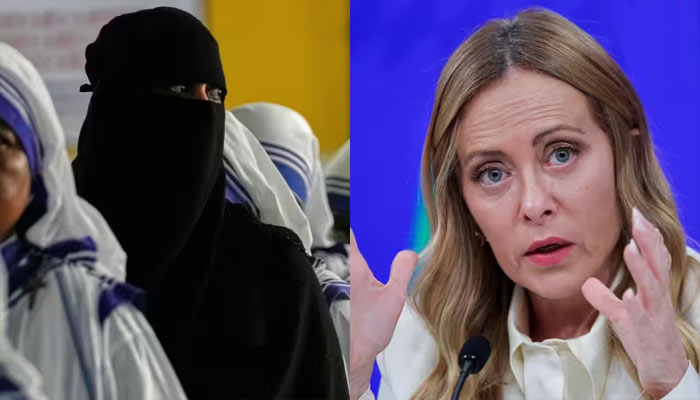
Italy Approves School Reforms Banning Burqas and Niqabs, Introduces 30% Foreign Student Cap
Italy has approved a controversial education reform introducing restrictions on religious face coverings in classrooms, limiting foreign student enrolment in first-year classes to 30 per cent and requiring Italian language support for parents whose children struggle to integrate into the country’s education system.
The legislation, backed by Prime Minister Giorgia Meloni’s government, has triggered criticism from opposition parties, which have questioned the proposed restrictions and their implications for students from immigrant communities.
After receiving approval from the Senate, the legislation cleared the Chamber of Deputies with 142 votes in favour, 112 against and four abstentions.
Known as the Decreto Scuola, the legislation forms part of Decree-law 170, dated September 30, 2026. It aims to strengthen the integration of foreign students and introduce measures linked to Italy’s National Recovery and Resilience Plan (PNRR).
Burqa and Niqab Restrictions in Classrooms
One of the most debated provisions prohibits Muslim female students from wearing face-covering garments, including burqas and niqabs, in classrooms.
The reform also establishes a 30 per cent ceiling on foreign students in first-year classes from the 2027-28 academic session. However, exemptions will apply to students who demonstrate sufficient Italian language proficiency or have previously studied in the Italian education system.
The legislation’s passage through the lower house was accompanied by protests from opposition lawmakers, who displayed a banner carrying the message, “At school nobody is a foreigner”.
Meloni had outlined the government’s plans earlier this year, arguing that restrictions were necessary to address integration challenges in Italian schools. Her proposed measures included limiting foreign student numbers, restricting face coverings and encouraging parents of children facing integration difficulties to learn Italian.
“It is unacceptable that in an Italian classroom the children who end up feeling pushed into a corner are Italian children because they have become the minority. That cannot be allowed,” Meloni had said.
She also criticised opposition parties over their objections, arguing that calls for integration were sometimes driven by political ideology rather than practical concerns.
Similar Restrictions Emerging Across Europe
Italy’s latest legislation comes amid a broader European debate over religious clothing, face coverings and integration within public institutions.
Several European countries have already introduced restrictions on face coverings. France and Belgium have implemented bans covering public places, while Austria has introduced restrictions in educational settings.
Italy’s decision adds another dimension to the debate, particularly over the balance between national integration policies, religious expression and equal access to education.
Comments are closed.