

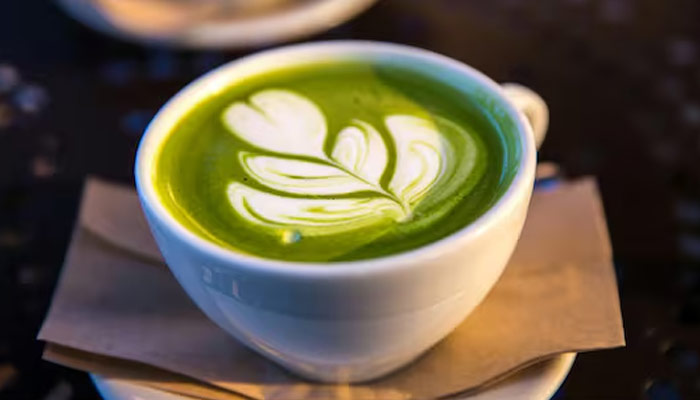
The Truth About Matcha: Benefits, Risks, and How to Brew It Right.
Matcha, often called the “Gen Z green juice,” originates from Japan, where it has been a staple for centuries. Today, it’s a global wellness trend, showing up in smoothies, lattes, cakes, cookies, and even cocktails. But recent viral claims on the internet suggest that matcha may cause hair fall, especially in women. Let’s separate fact from fiction and explore how to enjoy matcha safely.
What is Matcha?
At its core, matcha is powdered, shade-grown green tea leaves. Traditionally part of Japanese tea ceremonies, it is rich in antioxidants called catechins, which reduce inflammation, and contains L-theanine, an amino acid that slows caffeine absorption, making it gentler than regular coffee.
Matcha is generally classified into three grades:
- Ceremonial Grade: Made from the youngest leaves, ideal for traditional tea ceremonies.
- Premium/Daily Grade: Slightly more robust, popular for daily drinking or lattes.
- Culinary Grade: Stronger and slightly bitter, suitable for baking, smoothies, and cooking.
Can Matcha Cause Hair Fall?
Experts say not directly. Vidhi Chawla, dietician and founder of FISICO Diet and Aesthetic Clinic, explains:
“Matcha itself doesn’t directly cause hair fall. Its antioxidants (especially EGCG) may actually protect hair follicles and support scalp circulation. Excessive caffeine intake from multiple cups daily can raise cortisol levels in sensitive individuals, which may contribute to hair shedding.”
However, matcha contains tannins and catechins, which can reduce iron absorption from plant foods if consumed in excess. Low iron stores (ferritin) are a common cause of hair thinning, particularly among Indian women, and can be aggravated by stress or poor sleep, according to Twincy Ann Sunil, clinical nutritionist at Apollo Spectra Hospital, Bengaluru.
Other Potential Side Effects
Digestive Issues: On an empty stomach, matcha may cause bloating, acidity, or nausea due to caffeine and L-theanine stimulating gastric acid production. It’s best consumed after a light meal.
Menstrual Cycle Effects: Excessive caffeine can worsen PMS symptoms, cramps, or anxiety in sensitive women, though moderate intake (around one cup daily) is usually safe.
Quality Matters: Cheap or low-grade matcha may taste bitter and cause health issues. Always choose high-quality matcha.
Should Indians Drink Matcha?
Matcha offers a polyphenol and antioxidant boost, which is especially helpful in diets low in antioxidants. However, India’s tropical climate and typically carbohydrate-heavy diets mean matcha should be consumed in moderation, ideally in the mornings or cooler seasons. People prone to acidity, migraines, PCOS flares, or acne should limit intake to a few times a week.
Key Takeaways
Moderate matcha consumption can be healthy and beneficial.
Excessive intake may contribute to iron deficiency, digestive issues, or menstrual discomfort.
Quality and timing matter — opt for high-grade matcha and avoid drinking on an empty stomach.
So, don’t ditch your cup just yet — when brewed and consumed correctly, matcha can be a delicious and wellness-packed addition to your daily routine.
Comments are closed.