
Bangladesh May Move ICJ Against India Over Sheikh Hasina Extradition: How Far Could the Diplomatic Row Escalate?

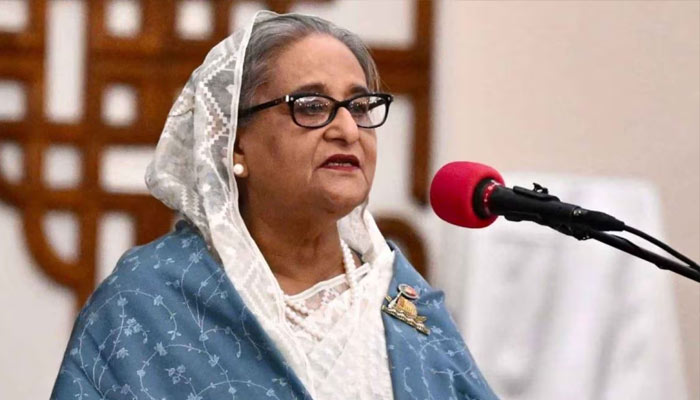
Bangladesh’s ICJ Threat Against India Over Sheikh Hasina: Legal Challenges and Diplomatic Implications
Tensions between India and Bangladesh have intensified after Bangladesh Parliament Speaker Hafiz Uddin Ahmed indicated that Dhaka could take New Delhi to the International Court of Justice (ICJ) if India refuses to extradite former Prime Minister Sheikh Hasina.
Ahmed made the remarks during an official visit to Islamabad, where he also rejected reports suggesting that Hasina might return to Bangladesh on December 16, the country’s Victory Day. He asserted that she would be arrested and sent to prison immediately if she entered Bangladesh, adding that her return was unlikely in the coming decade.
The warning introduces a new legal dimension to the strained relationship between the neighbouring countries. The dispute dates back to August 2024, when Hasina left Bangladesh for India following a mass uprising that brought an end to her 15-year rule. Since then, Dhaka has repeatedly sought her extradition, while New Delhi has faced a difficult diplomatic situation.
However, turning the latest threat into an actual case before the ICJ would involve significant legal obstacles. The court does not automatically have jurisdiction over disputes between countries. Its authority generally depends on the consent of the states involved, either through a specific agreement or an applicable international treaty that provides for ICJ proceedings.
The existing India-Bangladesh Extradition Treaty, signed in 2013, does not contain a provision requiring extradition-related disagreements to be referred to the ICJ. India has also not accepted compulsory jurisdiction of the World Court for disputes arising under this bilateral agreement.
This means Bangladesh would need to establish a separate legal basis for bringing the matter before the court. Without India’s consent or an applicable treaty provision granting jurisdiction, securing an ICJ hearing could prove difficult.
The extradition agreement itself also provides grounds on which a country can refuse a surrender request. These include provisions relating to political offences and concerns over the fairness of legal proceedings, as well as circumstances involving the death penalty.
Hasina’s legal position has become particularly complicated following her death sentence in absentia by a Bangladeshi domestic tribunal in November 2025. The potential implications of the sentence could become an important consideration for India while examining Dhaka’s extradition request.
Beyond the legal questions, Ahmed’s comments have attracted attention because they were made during his visit to Pakistan. His trip, described as the first official visit to Islamabad by a sitting Speaker of Bangladesh’s Parliament, has added a geopolitical dimension to the growing tensions with India.
During the visit, Ahmed questioned India’s role in the 1971 Liberation War, arguing that New Delhi’s intervention was intended to weaken Pakistan rather than support the Bengali population. He also echoed Pakistan’s position on resolving the Kashmir dispute through United Nations resolutions.
The remarks have raised concerns in New Delhi about the direction of Bangladesh’s diplomatic engagement with Pakistan at a time when relations between India and Dhaka remain strained.
While the possibility of Bangladesh approaching the ICJ has added pressure to the dispute, the legal framework suggests that such a move would not automatically place India before the court. The outcome will depend on whether Dhaka can establish jurisdiction and whether the two countries can find a diplomatic route to address the extradition issue.
For now, the Hasina extradition dispute remains a major test for India-Bangladesh relations, with legal arguments, domestic political considerations and regional geopolitics all shaping the next phase of the standoff.
Comments are closed.