

Bangladesh’s interim government said Monday that political parties have largely reached consensus on a sweeping reform charter but remain divided over how it should be implemented.
The South Asian nation of 170 million has been in political turmoil since former prime minister Sheikh Hasina was ousted in a student-led revolt in August 2024. Interim leader Muhammad Yunus has thrown his support behind the 28-page draft, known as the “July Charter” after last year’s student uprising. The proposals include a two-term limit for prime ministers and expanded presidential powers.
Ali Riaz, vice-chairman of the Consensus Commission, which has been holding talks with about 30 parties, said the second round of negotiations concluded Sunday.
“The political parties have agreed on 84 reform proposals, with only a few notes of dissent,” Riaz said. “The main point of contention now is the procedure for implementing them.”
The sticking point is the legal standing of the charter. Critics argue it cannot override the constitution until after elections due in February, when a new parliament could formally adopt it. The Bangladesh Nationalist Party (BNP) insists parliament must decide on its fate, while the Islamist Jamaat-e-Islami and others want immediate ratification.
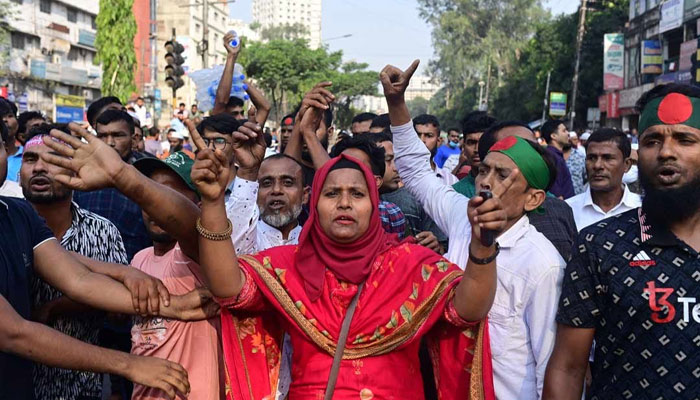
Jamaat-e-Islami has announced mass rallies to press for endorsement—first in Dhaka on September 18, followed by nationwide demonstrations on September 26.
Despite the dispute, Riaz said the document was essentially ready. “We have asked political parties to nominate their representatives to sign,” he noted.
Yunus urged unity, warning against a collapse in consensus. “The election will be successful only when we can reach agreement,” the government’s BSS news agency quoted him as saying.
Comments are closed.