
Best Time to Eat Fruits for Better Digestion and Maximum Nutritional Benefits

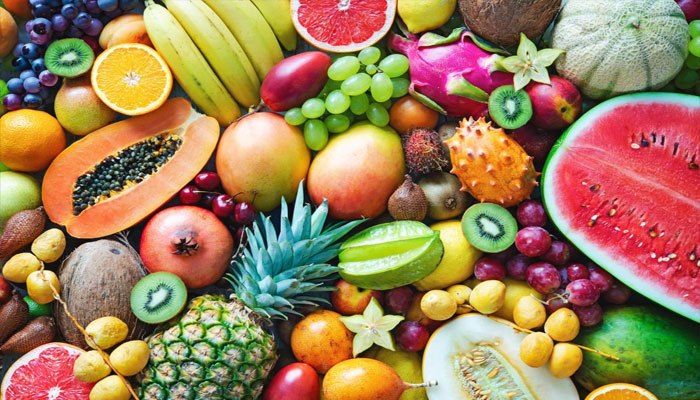
Fruits are rich in natural sugars, water and dietary fiber, making them relatively easy to digest.
Including fresh fruits before meals or as snacks can help you add essential vitamins, minerals and antioxidants to your daily diet.
Eating Fruits Before Meals May Help With Fullness
Having fruit around 30 minutes before lunch or dinner can contribute to a greater feeling of fullness. The combination of water and fiber may help reduce the tendency to overeat during the main meal, which can support portion control and healthy eating habits.
What Happens If You Eat Fruit After a Heavy Meal?
Some people experience bloating or digestive discomfort after eating fruit immediately following a large, rich meal. However, the common claim that fruit “rots” or ferments in the stomach is not supported by normal digestive physiology.
The stomach’s acidic environment helps prevent harmful bacterial growth, and fruit continues to be digested along with other foods. Eating fruit after a heavy meal may feel uncomfortable for some people, but it does not make the fruit unsafe or nutritionally useless.
People With Diabetes Should Consider the Overall Meal
For people managing diabetes, fruit can be included as part of a balanced diet. Pairing fruit with foods containing protein, healthy fats or complex carbohydrates can slow the overall absorption of carbohydrates and may help moderate blood glucose responses.
Portion size and the type of fruit also matter, particularly for people monitoring their blood sugar.
Fruit Can Also Be a Convenient Snack
Fresh fruit makes a convenient morning or afternoon snack between meals. There is no universal requirement to eat fruit on an empty stomach or at a specific time to obtain its nutrients.
Rather than focusing strictly on timing, the more important goal is to include a variety of whole fruits regularly as part of a balanced diet. People who experience digestive discomfort can experiment with eating fruit at different times to find what suits them best.
Comments are closed.