
Climate Change Driving Bigger Wildfires, EU Calls for New Response Strategy

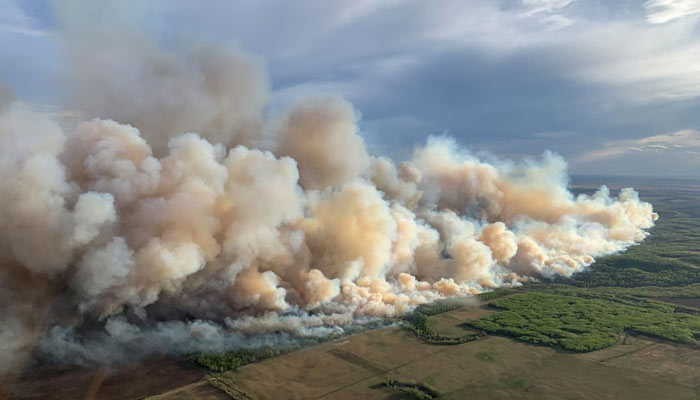
EU Calls for New Wildfire Strategy as Climate Change Intensifies Fire Risks
The European Union’s approach to tackling wildfires must evolve rapidly as climate change fuels more frequent and severe blazes, the bloc’s crisis response chief said, calling for increased funding, improved forest management and greater public awareness.
The warning comes as France and Spain battle deadly wildfires that have forced the evacuation of tens of thousands of people and scorched areas already affected by extreme heat and drought.
“Climate change is accelerating. So our response must evolve just as quickly,” EU Crisis Management Commissioner Hadja Lahbib told Reuters. She said governments must focus on preparing for disasters before they occur rather than only responding after they strike.
More Than Firefighting Equipment Needed
Lahbib said simply increasing the number of firefighting aircraft and equipment would not be enough. She urged countries to invest more EU funds in forest management measures that can reduce wildfire risks and improve prevention efforts.
She also called for stronger public awareness campaigns, noting that around 90% of wildfires are linked to human activity, including discarded cigarettes and unattended campfires.
EU Expands Emergency Response Capacity
While wildfire management remains the responsibility of individual countries, the European Union helps coordinate emergency support when member states request assistance.
The bloc operates the RescEU reserve fleet, which currently includes 22 firefighting aircraft and five helicopters provided by member countries.
As of Tuesday, the EU had coordinated the deployment of seven firefighting planes and four helicopters to France, along with six planes and three ground firefighting teams to Spain.
Climate Change Increases Pressure on Response Systems
The growing intensity of wildfires has placed additional pressure on European emergency systems. Ahead of this summer, the EU deployed more than 770 firefighters across high-risk areas, the largest deployment so far.
Officials have warned that climate-driven heatwaves and prolonged droughts are allowing fires to spread faster and burn for longer periods, with some blazes potentially continuing into November.
“The scale and intensity of these disasters mean we will need to strengthen our collective capacity,” Lahbib said.
The European Commission has proposed increasing crisis-response funding to €10.7 billion in the next EU budget, though member states have suggested a lower figure of €9.1 billion in their latest compromise proposal.
EU Plans Permanent Firefighting Fleet
To strengthen long-term preparedness, the EU is also building its own permanent firefighting fleet. The bloc plans to acquire 12 Canadair firefighting aircraft and five helicopters, with deliveries scheduled between 2027 and 2030.
The move comes as Europe faces a growing wildfire threat linked to rising temperatures, changing weather patterns and increasingly extreme climate conditions.
Comments are closed.