
Climate Change Threatens to Push Over a Billion Into Food Insecurity by Century’s End

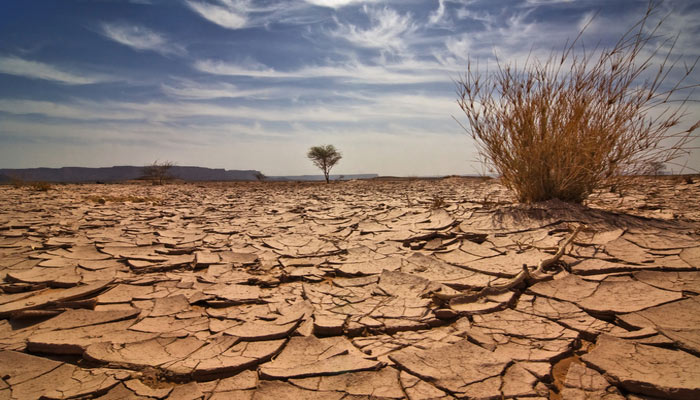
More than 295 million people experienced acute hunger in 2025, driven by conflict, displacement, economic instability and increasingly frequent climate shocks.
That figure alone is alarming. What is even more concerning is what may lie ahead. New research indicates that climate change, if left unchecked, could push more than 1.1 billion people into at least one episode of severe food crisis by 2100. This projection includes both people alive today and future generations who may face acute food insecurity during their lifetimes.
As a quantitative ecologist, I study how environmental pressures — from rising temperatures to land-use change — ripple through ecosystems and human societies. To examine the long-term trajectory of food insecurity, I developed an artificial intelligence model focused primarily on climate signals rather than uncertain long-term socio-economic assumptions.
How the Model Works
The model was calibrated using food insecurity data from the Famine Early Warning Systems Network and combined it with historical and projected temperature data from the National Oceanic and Atmospheric Administration, along with precipitation records from the Climate Hazards Center.
By linking climate patterns to past food crises, the system identified relationships between extreme heat, rainfall variability and the likelihood of severe hunger events. It then projected those risks forward under different emissions scenarios.
Unlike many traditional forecasting approaches that depend heavily on economic and governance projections decades into the future, this model isolates the climate signal — offering a clearer picture of how environmental change alone may shape food security outcomes.
A Stark Trajectory
If greenhouse gas emissions remain high, more than 1.1 billion people — including over 600 million children — could face at least one severe food crisis by the end of the century.
The burden will not be evenly distributed. Africa is projected to be disproportionately affected. By 2099 alone, over 170 million people across the continent could be exposed to severe food insecurity, including famine conditions. Regions in central Africa, already vulnerable today, are expected to experience some of the most intense impacts, compounded by rapid population growth.
The projections suggest that over 600 million children may encounter a food crisis before the age of five. More than 200 million newborns could be exposed within their first year of life.
The upward trend is already visible. The number of people facing severe food insecurity nearly tripled between 2011 and 2020, rising from roughly 50 million to nearly 150 million globally.
A Different Future Is Possible
Despite the severity of these projections, the findings are not deterministic. The model indicates that nearly 780 million people could avoid severe food crises if global emissions decline rapidly and sustainable development pathways are prioritised.
Under aggressive decarbonisation scenarios, the annual number of people experiencing food crises could fall by more than half by 2100.
In Africa in particular, progress in reducing conflict, strengthening governance and accelerating sustainable development could significantly lower long-term exposure to food crises — potentially more so than in other regions.
The Choices Ahead
Climate change amplifies food security risks, but it does not act alone. Political stability, economic resilience, equitable distribution systems and climate-adaptive agricultural practices all determine whether environmental stress translates into humanitarian catastrophe.
Food security is not merely about producing more calories. It requires resilient supply chains, inclusive policies, climate-smart farming and long-term planning.
The projections carry a clear message: the decisions made today will shape whether hundreds of millions endure preventable hunger — or are spared from it. Decisive global action could avert immense suffering. Failure to act could leave future generations facing crises on an unprecedented scale.
Comments are closed.