
Datura Health Benefits: Does This Toxic Plant Have Any Medicinal Uses?

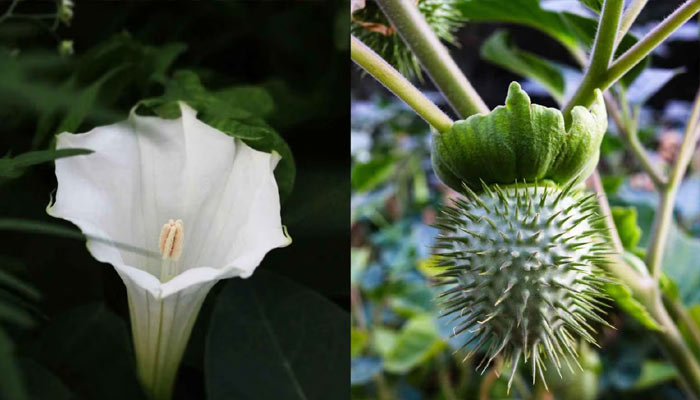
Datura is widely known as a poisonous plant, but it has also held a place in traditional medicine for centuries.
Vaidya Vasudev Mukhiya, who has nearly two decades of experience working with medicinal herbs, and Ayurvedacharya Bhuvanesh Pandey, who has around 40 years of experience in Ayurveda, explain why Datura requires extreme caution despite its traditional medicinal significance.
The plant contains powerful compounds such as atropine, scopolamine and hyoscyamine. Exposure to these substances can cause hallucinations, memory problems, vomiting, a rapid heartbeat, dry mouth and other serious symptoms. In severe cases, poisoning can become life-threatening.
Experts warn that all parts of the Datura plant can be toxic, including its fruits, seeds, flowers and leaves. Accidental consumption can result in severe poisoning and requires immediate medical attention.
The risks associated with the plant have also prompted regulatory action. Karnataka’s Food Safety and Drugs Administration has reportedly acted against online listings of Datura fruits and seeds on platforms such as Amazon, Swiggy and Instamart. Food licences associated with the sale of these products have reportedly been suspended until further orders.
Traditional medicinal use
Despite its poisonous nature, Datura has a history of use in traditional Ayurvedic practices. Practitioners stress that the plant should never be consumed directly and that any medicinal application requires appropriate processing and expert supervision.
According to the experts, traditionally prepared Datura-based formulations have been used in connection with ailments such as arthritis, sciatica, ear pain, swelling or heaviness in the legs, and body aches during winter.
However, traditional use does not mean the raw plant is safe. The concentration of toxic compounds makes self-medication particularly risky.
Datura should not be used at home
Datura should never be treated like an ordinary herbal ingredient or consumed because it is promoted as a natural remedy. Homemade preparations can result in unpredictable exposure to its toxic compounds and may lead to serious health complications.
The experts emphasise that Datura fruits, seeds, leaves or flowers should never be eaten directly. Anyone considering a Datura-based traditional formulation should seek guidance from a qualified practitioner and appropriate medical advice.
Its availability online also does not make Datura safe for consumption. Because of its toxicity, accidental ingestion or suspected poisoning should be treated as a medical emergency rather than managed with home remedies.
Comments are closed.