
Delhi-NCR Intensifies Pollution Checks, Conducts 150 Inspections Ahead Of Winter Smog

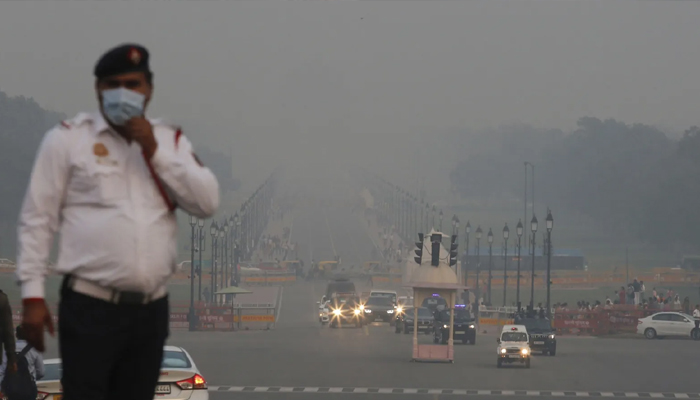
Delhi-NCR’s annual battle with winter pollution is well known, but authorities are moving to address potential sources of emissions much earlier this year.
Instead of waiting for severe smog to arrive, enforcement agencies have begun intensifying inspections and corrective action ahead of the winter season.
The Enforcement Task Force (ETF) of the Commission for Air Quality Management (CAQM) reviewed pollution-control and enforcement efforts across Delhi-NCR during its 139th meeting on September 14. The review covered activities carried out between August 24 and September 7, during which 150 inspections were conducted.
The inspections included seven construction and demolition (C&D) sites, 98 industrial units and 45 diesel generator (DG) set locations.
SPECIAL DRIVE IN NUH
A separate enforcement operation was conducted in Nuh, Haryana, on September 3. CAQM Flying Squads, working with the district administration, police and Haryana State Pollution Control Board (HSPCB), inspected 35 premises.
Officials found 13 establishments compliant, while seven locked premises have been marked for another inspection. Proposed enforcement measures include sealing one DG set, issuing directions in seven cases and recovering Environmental Compensation in six cases.
Across the NCR, authorities have also proposed action against violations at several locations. The measures include closure of three C&D projects and one industrial unit, along with sealing 25 DG sets.
According to government PSU communications officer Irfan Rashid, enforcement teams are following a zero-tolerance approach towards violations. Statutory action has been initiated against entities found to be non-compliant, including closure directions, sealing of unauthorised or violating DG sets, environmental compensation and show-cause notices that could lead to prosecution under applicable environmental laws.
Facilities that have been sealed or ordered to stop operations will only be allowed to restart after authorities physically verify compliance.
WHY EARLY ENFORCEMENT MATTERS
Local emissions from sources such as construction dust, industrial fuel combustion and diesel generators can contribute significantly to pollution levels during winter. Cold conditions and thermal inversion can then trap these pollutants close to the ground, allowing concentrations to rise rapidly.
Authorities believe that controlling major particulate sources before winter weather conditions deteriorate can reduce the pollution baseline. Measures targeting construction dust, unauthorised industrial fuels and heavily polluting DG sets are therefore being implemented before the peak smog period.
FROM REACTIVE RESPONSE TO PREVENTIVE ACTION
One of the major changes this year is the emphasis on early, data-driven enforcement rather than waiting for pollution levels to reach crisis conditions.
Ground inspections have begun during late summer to identify violations, improve pollution-control systems and take action against repeat offenders well before October and the onset of severe winter pollution.
The strategy also focuses on 13 identified pollution hotspots in Delhi. Planned interventions include automated dust suppression, round-the-clock enforcement patrols and road paving.
Satellite-based monitoring and weather forecasts are also being incorporated into the Graded Response Action Plan (GRAP), with the aim of identifying potentially adverse conditions several days in advance and allowing preventive measures to be deployed earlier.
YEAR-ROUND AIRSHED MANAGEMENT
Authorities are also looking beyond the winter months through a broader, year-round airshed management strategy.
The plan includes shifting notified industrial areas towards the use of piped natural gas (PNG) and other approved cleaner fuels. It also involves maintaining crop-residue management machinery throughout the year in neighbouring states, improving municipal solid waste monitoring and increasing mechanised sweeping on heavily used roads.
The clean-energy component includes greater adoption of electric public transport, expansion of metro connectivity and increased use of solar and other green energy by public utilities.
VEHICLE EMISSIONS UNDER GREATER SCRUTINY
Vehicle pollution is another area where enforcement is being strengthened through a combination of technology and field inspections.
Pollution Under Control (PUC) centres are being connected with real-time CCTV monitoring and automated smoke-testing systems to identify fraudulent or manipulated certificates.
Commercial vehicle fitness checks are also being expanded through Automated Testing Stations (ATS), where computerised and sensor-based systems are intended to reduce manual intervention during inspections.
Authorities are simultaneously targeting de-registered end-of-life vehicles, including diesel vehicles that are 10 years old and petrol vehicles that are 15 years old.
Automatic Number Plate Recognition (ANPR) cameras installed at border points and fuel stations are being used to support enforcement. The broader strategy also includes phased requirements for zero-emission delivery vehicles and light goods vehicles.
With inspections beginning well before the traditional winter pollution season, the focus is increasingly shifting towards identifying and controlling emission sources before adverse weather conditions turn them into a larger air-quality crisis.
Comments are closed.