
Dhadak 2 Review: Siddhant & Triptii Shine in a Bold Yet Restrained Take on Casteism

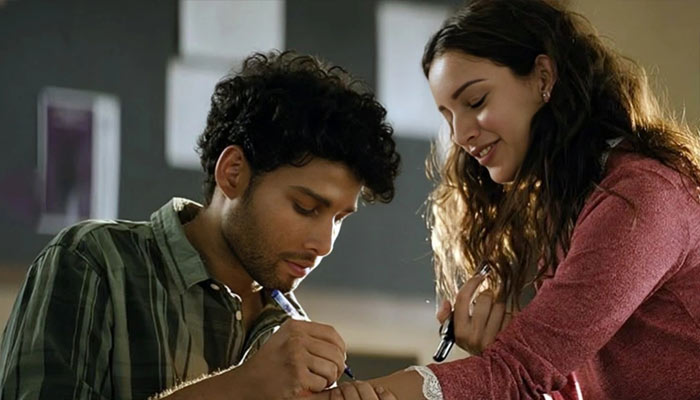
Dhadak 2 Review: Powerful Performances Meet a Politically Cautious Heartbeat.
Remember the gut-punch of Dhadak’s final scene, where Janhvi Kapoor’s silent scream echoed long after the credits? Dhadak 2 ends on a louder note—Triptii Dimri’s anguished cry—but while it resonates, it doesn’t quite haunt. That’s the story of the film itself: brave in intention, tentative in execution.
Directed by Shazia Iqbal, Dhadak 2 attempts to spotlight caste-based violence and systemic oppression. It draws thematic inspiration from Mari Selvaraj’s searing Pariyerum Perumal, but unlike the Tamil original, this Hindi adaptation hedges its bets. The sharp political teeth are blunted, the commentary softened—perhaps in fear of controversy or censorship. The awkwardly redubbed climax only heightens the sense of retreat.
Still, there’s no denying the passion in the performances. Siddhant Chaturvedi gives his most heartfelt turn yet as Neelesh, a young man crushed under casteist humiliation and generational shame. His anguish feels lived-in, especially in scenes of quiet suffering. Triptii Dimri as Vidhi matches his emotional depth, reviving the rawness of her Laila Majnu days.
Supporting actors shine across the board. Anubha Fatehpura and Vipin Sharma, as Neelesh’s parents, deliver some of the film’s most devastating moments. Zakir Hussain adds stoic weight as a principal who becomes a quiet ally. Manjari Pupala, Harish Khanna, and Saad Bilgrami contribute sincere, grounded performances. Saurabh Sachdeva, while menacing, never quite tips into terror—his character, like the film, holds back just when it should erupt.
The biggest flaw? Inconsistency. The film lands a few hard blows—the killing of Neelesh’s pet by upper-caste men, his senior’s suicide, his father being stripped in public—but the emotional momentum is rarely sustained. Neelesh’s trauma feels scattered, his arc restrained. Much like its lead, the film is caught in limbo—eager to speak truth to power, but unsure if anyone’s listening.
That said, Dhadak 2 does find power in subtleties. A striking use of blue throughout the film aligns with Ambedkarite symbolism. Portraits of Dr. B.R. Ambedkar, Savitribai and Jyotirao Phule are respectfully woven into the visual landscape. There’s a standout monologue by Triptii Dimri, dismantling patriarchal notions of “izzat” and modesty with fiery conviction. A few lines—like one from Neelesh’s father about masculinity and nurturing—ring unexpectedly profound.
Iqbal deserves credit for these moments. They reveal a filmmaker who sees caste not just as a narrative hook, but as lived history. And yet, by the end, you wish she had gone further. Dhadak 2 aches to be radical, but ultimately chooses restraint over rebellion.
In a just world, a heartfelt speech wouldn’t undo centuries of structural injustice—but cinema, unlike life, can afford such hopeful illusions. Dhadak means heartbeat, and it’s painfully ironic in a story about love that’s forced to conform to caste lines.
From Sairat (2016) to Dhadak 2 (2025), the world outside the theatre hasn’t changed much. That’s perhaps the most unsettling truth this film leaves you with. It stirs, yes—but it never quite dares to roar.
Comments are closed.