

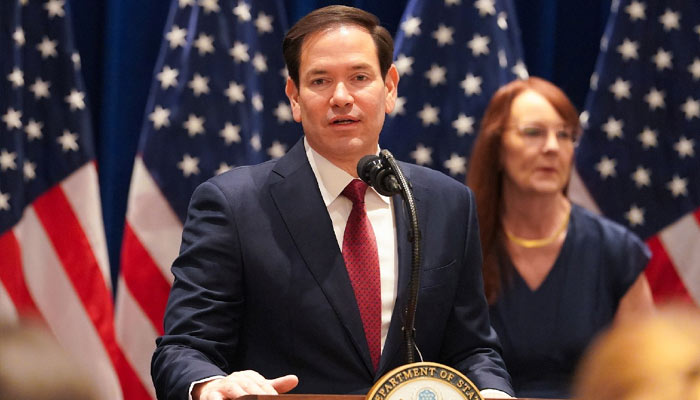
US Secretary of State Marco Rubio on Thursday criticised India’s continued purchase of Russian oil, calling it a “point of irritation” in Washington’s relationship with New Delhi—but not the only one.
In an interview with Fox Radio, Rubio claimed that India’s oil imports from Russia are indirectly supporting Moscow’s war in Ukraine. “India has massive energy needs and sources oil, gas, and coal from various countries, including Russia. Because of global sanctions, Russian oil is often sold below market prices, which makes it attractive,” he said.
“Unfortunately, that helps sustain Russia’s war effort. So yes, it’s most certainly a point of irritation in our relationship with India,” Rubio added. “That said, we also have many areas of cooperation.”
Rubio further noted that US President Joe Biden has expressed frustration over India’s decision to continue trading with Russia when alternatives are available.
However, oil is not the only sticking point. Ongoing trade negotiations between the US and India remain stalled, primarily due to differences over agricultural and dairy market access. India has resisted pressure to open these sectors, citing risks to the livelihoods of millions of small farmers.
Washington has been seeking lower tariffs on a range of American products, including genetically modified (GM) crops, dairy goods, corn, soybeans, apples, almonds, and ethanol. India argues that allowing cheaper, subsidised US agricultural imports would undercut its domestic producers—especially the 80 million small dairy farmers and hundreds of millions in rural areas.
Beyond agriculture, the US is also pushing for broader market access in sectors such as automobiles, pharmaceuticals, medical devices, alcoholic beverages, and digital services. It has also called for India to reduce non-tariff barriers, ease customs regulations, and adopt more flexible rules on data localisation, intellectual property, and digital trade.
Despite the points of contention, both sides continue to underline the strategic value of their partnership—especially in the Indo-Pacific and on global security matters.
Comments are closed.