

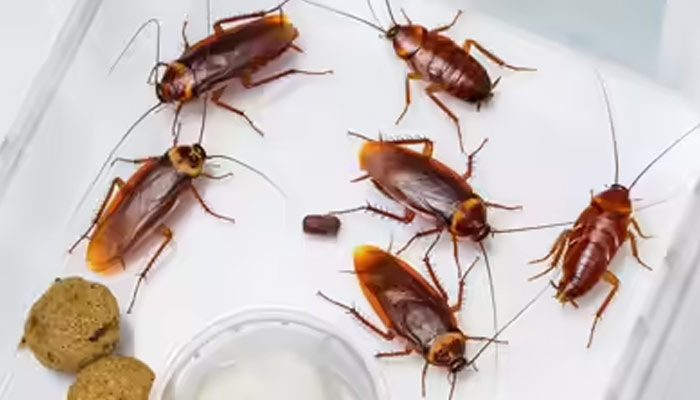
Cockroaches do more than contaminate food and spread disease—new research shows they also significantly worsen indoor air quality.
A study by North Carolina State University, published in The Journal of Allergy and Clinical Immunology: Global, has established a strong link between cockroach infestations and elevated levels of bacterial endotoxins and potent allergens inside homes.
What are endotoxins?
Endotoxins are components of the outer membranes of certain bacteria and are released when these bacteria die. Because cockroaches feed on a wide variety of materials, their gut microbiome is highly diverse. As a result, they shed substantial amounts of endotoxins through their droppings, which accumulate in homes.
The study found that eliminating cockroaches through pest control significantly reduces both endotoxins and allergens, improving indoor air quality.
How the study was conducted
Researchers examined multi-unit apartment buildings in Raleigh, North Carolina, assessing the severity of cockroach infestations and measuring endotoxin and allergen levels in each unit.
Homes with active infestations showed markedly higher endotoxin concentrations. Female cockroaches were found to produce nearly twice as much endotoxin as males. Kitchens contained the highest levels due to greater food availability.
“Cockroaches are a significant source of both endotoxins and potent allergens, potentially resulting in exposure of asthmatic children to both,” the study noted.
Health implications
Coby Schal, co-corresponding author and Blanton J. Whitmire Distinguished Professor of Entomology at NC State, told Science Daily that endotoxins can trigger strong allergic reactions when inhaled. Previous surveys in the United States have also shown higher endotoxin levels in homes with signs of cockroach activity—a correlation that is particularly strong in low-income housing compared to single-family homes.
The study highlights cockroaches as the primary contributors to endotoxin buildup in infested homes. It also found that both allergens and endotoxins can become airborne. Importantly, allergen levels dropped significantly in homes where cockroaches were eradicated, underscoring the value of consistent pest control.
Schal added that upcoming research will explore how cockroach allergens and endotoxins interact in asthma models, such as in mice. “There exists the implication that asthma can be worse due to interactions between allergens and endotoxins,” he said. “We want to see if that is the case in mice.”
Comments are closed.