

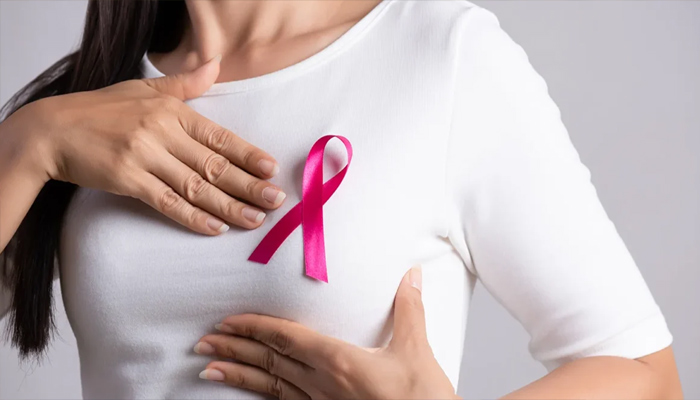
Beyond Treatment: A New Era of Hope for Early Breast Cancer Patients.
An early breast cancer diagnosis can instantly change the rhythm of everyday life. While early detection offers hope, it also raises complex questions about treatment intensity, long-term health, emotional resilience, and what “normal” will look like once initial care ends. Today, however, the conversation is shifting. The focus is no longer solely on eliminating the disease but also on reducing recurrence risk and preserving quality of life for years to come.
This evolution marks a pivotal change in how early breast cancer is treated and how patients are supported during and beyond their diagnosis.
Understanding Early Breast Cancer Today
“Early breast cancer refers to cancer detected in its nascent stages—stages 0, 1, 2, or 3—before it spreads to other parts of the body,” explains Dr. Sewanti Limaye, Director of Medical & Precision Oncology and Director of Oncology Research at Sir HN Reliance Foundation Hospital & Research Centre, Mumbai.
She emphasizes that while early detection significantly improves outcomes, the journey doesn’t end at diagnosis. “The post-diagnosis pathway demands equal resolve,” she says, highlighting the importance of long-term treatment strategies that go beyond surgery or chemotherapy alone.
Lowering the Risk of Recurrence
Even after successful primary treatment, the possibility of cancer returning remains a major concern. “Advanced therapies, including targeted treatments and immunotherapies, are changing the equation,” Dr. Limaye notes. These therapies precisely target cancer cells and activate the immune system, reducing harm to healthy cells and improving long-term disease control.
Treatments That Fit Real Life
Modern therapies are increasingly patient-centric. Oral medications and longer-acting treatments reduce the need for frequent hospital visits, allowing patients to maintain work, travel, and family responsibilities. “Integrating treatment into everyday life plays a critical role in emotional well-being and adherence to care plans,” Dr. Limaye says.
Supporting Emotional and Mental Well-Being
Cancer’s emotional burden is often underestimated. “When physical side effects are better managed, patients feel more in control of their journey,” explains Dr. Limaye. Advanced therapies help protect mental health by reducing fatigue, pain, and other disruptive symptoms, allowing patients to envision a fulfilling life beyond treatment.
Long-Term Monitoring and Ongoing Support
Advanced therapies are most effective when paired with structured follow-up. Tailored surveillance plans help detect changes early, manage side effects proactively, and support overall wellness long after initial treatment ends.
“Treatment isn’t just about fighting disease. It’s about helping people return to their lives,” says Dr. Limaye. New therapies aim to minimise long-term side effects, support physical recovery, and address concerns such as energy levels and appearance.
In India, as awareness and access continue to improve, the focus is shifting from survival to survivorship. Early breast cancer care today offers not just effective treatment, but a future shaped by strength, dignity, and possibility—empowering patients to move forward with confidence and clarity.
Comments are closed.