
Eating Fruits With the Peel? Follow These Simple Steps to Wash Them Safely

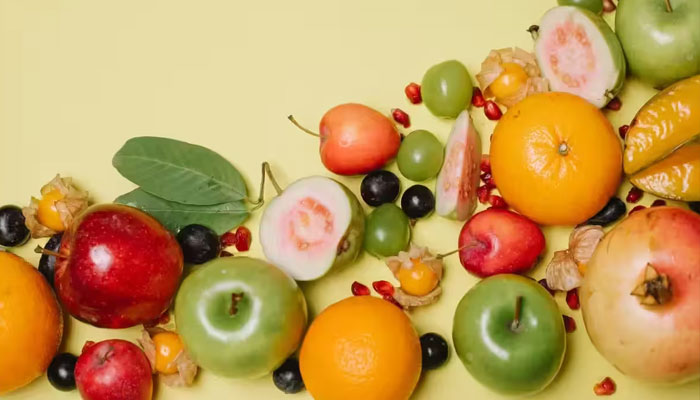
Peeling fruits before eating is a common habit, often driven by concerns about wax, dirt or other residues on the surface.
However, removing the skin can also reduce the amount of fibre and plant compounds you consume. If you prefer to eat fruit with the peel, proper washing is important.
Here are some simple ways to clean commonly eaten fruits before consuming their skin:
Apple: Apple skin contains a significant share of the fruit’s fibre along with nutrients such as vitamins A, C and K. Wash apples thoroughly under running water and gently rub the surface to remove dirt and residue.
Pear: Pear skin provides fibre and plant compounds, including flavonoids and phenolic acids. Rinse the fruit under running water and gently scrub the surface before eating.
Plum: The skin of plums contains antioxidants and other plant compounds. Wash plums under clean running water and gently rub the surface to remove impurities.
Kiwi: Kiwi skin is edible and contains fibre as well as vitamins. Rinse the fruit under running water and gently rub the skin with a clean produce brush or cloth to remove some of the fuzz.
Chikoo: If you choose to eat chikoo with its skin, wash the fruit thoroughly under running water and gently rub the exterior before consumption.
Peach: Peach skin contains fibre and plant compounds, including carotenoids. Rinse peaches carefully under running water and gently rub the surface to remove dirt.
Guava: Guava can be eaten with its skin, which adds fibre and plant compounds to the diet. Wash it thoroughly under running water and gently scrub the surface before eating.
Cucumber: Although commonly treated as a vegetable, cucumber is botanically a fruit. Its skin contains fibre and nutrients, including vitamin K. Wash it under running water and use a clean vegetable brush if necessary.
Tips for Washing Fruits
Use clean running water and rub firm produce gently with your hands or a clean produce brush. Wash fruits before cutting them so that contaminants on the skin are not transferred to the edible portion.
Avoid using household detergents or soaps to clean fruit. For produce with damaged or bruised areas, remove the affected portions before eating.
While eating the peel can provide additional nutrients, not every fruit skin is suitable or pleasant to eat. Individual dietary needs, allergies and medical conditions should also be considered when deciding whether to consume fruit peels.
Comments are closed.