
Egypt Says Drone Strike Sparked Fire on Two Gas Vessels at Damietta Port

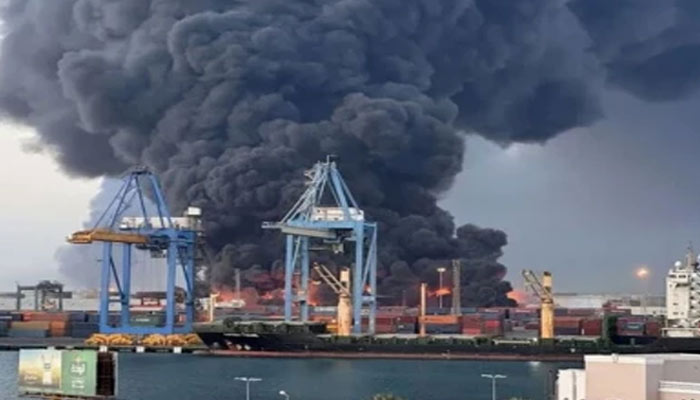
Drone Strike Sparks Fire on Two Gas Vessels at Egypt’s Damietta Port; LNG Supply Concerns Emerge
Egypt has confirmed that a drone attack caused the fire that engulfed two gas vessels at the Mediterranean port of Damietta, ruling out the possibility of an accident. The incident, which occurred on Wednesday, has heightened concerns over the security of energy infrastructure in the region amid escalating tensions in the Middle East.
In a statement on Thursday, the Egyptian cabinet said investigations are ongoing and that authorities are taking all necessary measures to safeguard the country’s national security. No group has claimed responsibility for the attack.
According to British maritime security firm Ambrey, a drone struck the US-owned floating storage and regasification unit (FSRU) Energos Winter, triggering a fire that later spread to the nearby LNG vessel Gaslog Salem. Maritime risk consultancy Vanguard said the Energos Winter was hit on its starboard side before firefighters brought the blaze under control.
Egypt’s Petroleum Ministry said emergency and security teams quickly contained the fire, with no injuries or fatalities reported. Petroleum Minister Karim Badawi visited the site to oversee response and recovery operations.
Regional tensions raise security concerns
The attack comes against the backdrop of rising regional hostilities, fuelling concerns that critical energy infrastructure could increasingly become a target. Damietta, located near the Suez Canal, is strategically important for Egypt’s LNG imports and exports.
Potential impact on Egypt’s gas supply
The incident also raises questions about Egypt’s energy security. Once a major LNG exporter after the development of the Zohr offshore gas field, Egypt has increasingly relied on LNG imports in recent years due to declining domestic gas production and rising demand.
Sources familiar with the incident told Reuters that both vessels are expected to remain out of service for some time, with one source saying a storage tank on the Energos Winter had been breached, potentially extending repair work.
The Energos Winter has a regasification capacity of around 450 million cubic feet of gas per day, accounting for approximately 7% of Egypt’s daily gas consumption and 16% of its LNG regasification capacity, according to consultancy ElAdl Studies.
Analysts said the outage is unlikely to cause an immediate supply disruption, as Egypt can rely on alternative LNG import terminals and other fuel sources. However, it could reduce the country’s operational flexibility at a time when electricity demand typically peaks during the summer months.
Experts say Egypt may offset the shortfall by increasing output from other regasification units, using fuel oil as a backup, expanding renewable energy generation and, if required, temporarily curbing gas supplies to selected industrial consumers.
Comments are closed.