

Saudi Economy Contracts 4.8% in Q2 as Oil Sector Slump Weighs on Growth
Saudi Arabia’s economy contracted sharply in the second quarter of 2026, recording its steepest year-on-year decline since the Covid-19 pandemic as lower oil output and persistent regional tensions weighed on growth.
According to preliminary data released by the General Authority for Statistics on Thursday, the kingdom’s gross domestic product (GDP) fell 4.8% between April and June compared with the same period last year. The decline marks a sharp reversal from the 3% growth recorded in the first quarter of 2026.
Oil sector drives downturn
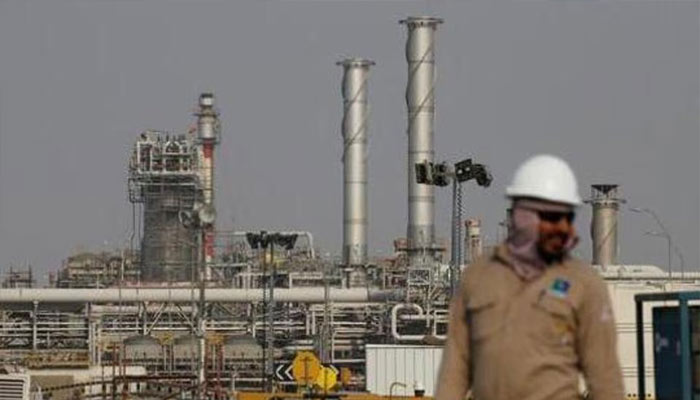
The energy sector remained the biggest drag on the economy, with oil-related activity shrinking 24.7% during the quarter after posting modest growth earlier in the year.
Analysts attribute the slowdown to reduced oil production and disruptions linked to the ongoing conflict involving the United States, Israel and Iran, which has affected energy markets and regional trade.
Regional tensions add pressure
The conflict has continued to disrupt shipping and energy exports across the Gulf. Security concerns around the Strait of Hormuz have forced Saudi Arabia to rely more heavily on pipelines leading to the Red Sea, while attacks by Iran-backed groups have kept risks elevated for regional energy infrastructure.
Economists say any improvement in maritime security could support a recovery, but renewed military escalation would pose additional risks to the kingdom’s economy.
Non-oil sectors lose momentum
Saudi Arabia’s efforts to diversify its economy also showed signs of slowing. Non-oil activities expanded 0.6% in the second quarter, down from 2.9% in the previous three months, indicating softer business activity beyond the energy sector.
Despite crude oil prices remaining above $90 per barrel, Saudi oil production has yet to return to pre-conflict levels.
Growth expected to recover
Economists nevertheless expect Saudi Arabia to outperform several Gulf peers over the full year.
Analysts forecast modest economic expansion in 2026, supported by resilient non-oil industries, government investment and the kingdom’s long-term diversification strategy under Vision 2030. However, they caution that any further disruption to oil production or export infrastructure could weaken the outlook.
The International Monetary Fund (IMF) also maintains a positive medium-term view, citing Saudi Arabia’s strong fiscal position, expanding logistics network and ongoing economic reforms. The IMF expects growth to strengthen as regional shipping conditions improve and investment-led projects gather pace over the coming years.
Comments are closed.