
El Niño Could Be Among the Strongest in a Century: What It Means for the World

A potentially exceptional El Niño is developing in the tropical Pacific, with forecasters warning that the event could rank among the strongest observed in more than a century.
The climate phenomenon could bring major shifts in weather patterns around the world and add another burst of heat to an already warming planet. Scientists also warn that the strongest effects could be felt in 2027, when the event’s influence is expected to peak globally.
What Is El Niño?
El Niño is the warm phase of the naturally occurring El Niño-Southern Oscillation, or ENSO, in the tropical Pacific.
Normally, trade winds push warm surface water towards the western Pacific. During El Niño, those winds weaken, allowing the warm water to move eastward and rise toward the surface.
The resulting increase in ocean temperatures changes atmospheric circulation, affecting rainfall, storms and temperatures far beyond the Pacific.
Some regions can experience hotter and drier conditions, while others may face unusually heavy rainfall and cooler weather.
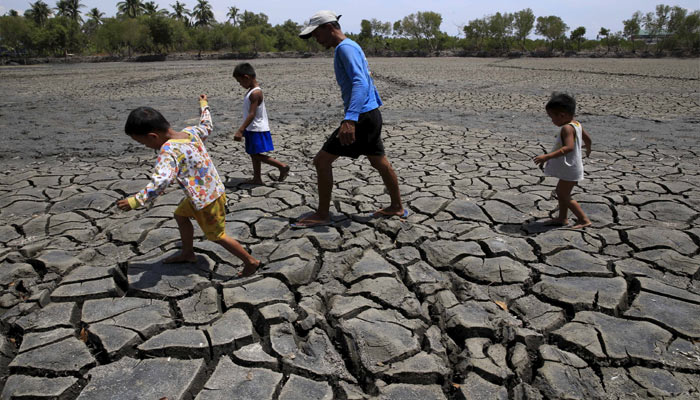
The effects are already being reported in parts of the world. Indonesia, for example, has experienced a prolonged dry season that has contributed to widespread wildfires.
Scientists stress, however, that stronger El Niño conditions increase the likelihood of these impacts rather than guaranteeing them in every region.
Why This El Niño Is Drawing Attention
Sea surface temperatures in the central Pacific are already significantly above their long-term average. Forecasts suggest the warming could intensify further in the coming months.
Some projections indicate that the temperature anomaly in the Niño 3.4 region could approach levels well above those recorded during the powerful 2015 El Niño.
If the forecasts hold, the event could contribute to another record-breaking period of global temperatures.
Climate scientists Zeke Hausfather and Andrew Dessler estimate that El Niño could temporarily add around 0.3°C to global temperatures. Their calculations suggest the resulting warmth in 2027 could push global temperatures to around 1.76°C above pre-industrial levels.
That would effectively bring into a single year warming that might otherwise have taken another decade to occur.
What Could Happen Around the World?
El Niño does not produce the same weather everywhere.
Its influence can alter rainfall patterns, increase drought risks in some regions and intensify flooding in others. It can also affect tropical cyclone activity, agricultural conditions, wildfire risks and water availability.
A particularly strong event could amplify these disruptions.
However, scientists caution that the exact regional effects remain difficult to predict months in advance. El Niño establishes broad climate patterns, but local weather outcomes depend on several additional factors.
Is This the Strongest El Niño Ever?
There is no single universal method for ranking El Niño events.
The US National Oceanic and Atmospheric Administration recently adopted the Relative Oceanic Niño Index, or RONI, which measures warming in the Niño 3.4 region relative to warming across the wider tropical Pacific.
Using this approach, NOAA estimates a 69% probability that the current event could become the strongest El Niño in its dataset, which extends back to 1950.
Other measurement systems can produce different numerical values, making direct comparisons with historical events more complicated.
Climate Change Could Make the Effects Worse
El Niño is a natural climate cycle, but it is unfolding against a background of human-driven global warming.
A warmer atmosphere can hold more moisture, potentially making El Niño-related rainfall more intense. At the same time, increased heat can worsen drying and drought in regions already prone to El Niño-driven precipitation declines.
Scientists are still studying whether climate change is directly making El Niño events stronger. Evidence from historical observations, coral records and climate models suggests that the amplitude of El Niño may have increased over the past century.
NOAA scientist Mike McPhaden has argued that warmer tropical oceans could strengthen the feedback between ocean temperatures and atmospheric winds, allowing El Niño events to develop more rapidly.
If the current forecasts prove accurate, the event could therefore provide a striking preview of the climate conditions the world may increasingly encounter as global temperatures continue to rise.
Comments are closed.