
EU Warns Easing Diesel Sanctions Would Give Russia ‘Revenue to Wage War’

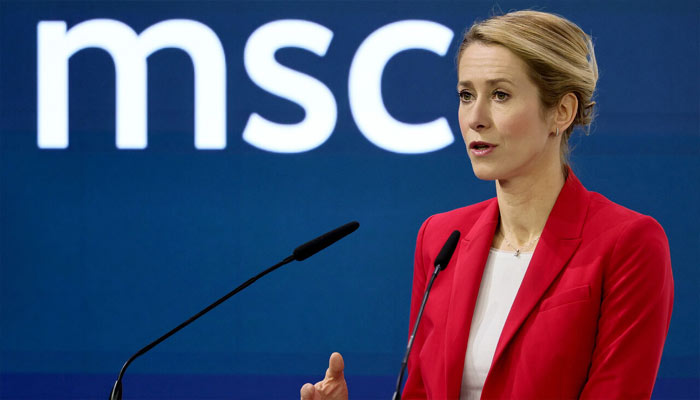
EU Warns Lifting Russian Diesel Sanctions Would Provide Moscow Funds to Continue Ukraine War
European Union foreign policy chief Kaja Kallas on Saturday criticised the easing of sanctions on Russian diesel, warning that the move would provide Moscow with additional revenue to sustain its war against Ukraine.
Her remarks followed US President Donald Trump’s announcement that Russia had agreed to a major diesel supply arrangement as Washington relaxed certain war-related sanctions in an effort to bring down energy costs ahead of the US midterm elections.
Kallas argued that easing restrictions on Russian fuel would undermine efforts to pressure the Kremlin over its invasion of Ukraine. She also pointed to the continuing attacks on Ukrainian civilians and what she described as an escalation of hybrid threats against European countries.
In a post on social media, Kallas said Russian strikes had killed more than 80 Ukrainian civilians over two days. She added that Moscow had intensified its hybrid attacks against European Union member states and NATO allies.
Suspending sanctions on Russian diesel would provide the Kremlin with additional resources to finance its military campaign, she warned, stressing that Europe had no intention of relaxing its pressure on Moscow.
Trump’s Diesel Deal Draws Criticism From Ukraine and EU
Trump announced the agreement with Russia on Friday as his administration sought to ease pressure on energy markets and reduce fuel costs in the United States.
The announcement triggered a strong reaction from Ukrainian President Volodymyr Zelensky, while the European Union reaffirmed its commitment to maintaining and strengthening sanctions against Moscow.
EU foreign ministers are scheduled to formally add approximately 1,600 individuals and entities to the bloc’s sanctions blacklist on Monday in connection with Russia’s war against Ukraine.
The planned additions underline Brussels’ continued determination to hold Moscow accountable and maintain economic pressure despite Washington’s move to ease certain restrictions.
European Commission Calls for Infrastructure Ceasefire
Separately, the European Commission responded to Trump’s diesel agreement by reiterating its call for a ceasefire covering critical infrastructure in both Ukraine and Russia.
The Commission said such an arrangement was necessary to protect global food supplies and energy infrastructure from the effects of the conflict.
The EU executive also warned against excessive dependence on Russian hydrocarbons, arguing that reliance on Russian energy carries broader economic and strategic risks for Europe.
Europe has learned the consequences of depending too heavily on Russian energy supplies, the Commission said, adding that it did not want to contribute to financing Russia’s war against Ukraine.
The latest exchange highlights differences between Washington and Brussels over how to balance energy affordability with continued economic pressure on Moscow. While the US administration has moved to ease certain sanctions as part of its efforts to reduce fuel costs, EU officials maintain that restrictions on Russia remain essential to limiting the Kremlin’s ability to finance its military operations.
Comments are closed.