
Extreme El Niño Could Make 2027 Earth’s Hottest Year on Record, Scientists Warn

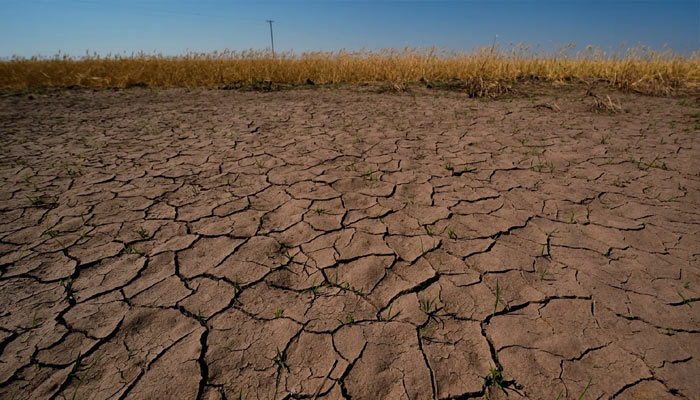
Powerful El Niño Could Push 2027 to Record as Hottest Year Yet, Met Office Warns
A rapidly strengthening El Niño in the Pacific could become one of the most powerful on record and, when combined with human-driven climate change, potentially make 2027 the hottest year ever recorded, according to the UK Met Office.
The developing weather pattern is already influencing conditions across several parts of the world. India’s southwest monsoon has received below-average rainfall, while hurricane activity in the Atlantic has remained relatively subdued. The UK and parts of north-western Europe could also experience a wetter and stormier autumn as El Niño strengthens.
“This is an unprecedented event,” Prof Adam Scaife, head of long-range forecasting at the Met Office, told the BBC, saying he had never seen such an intense El Niño signal in forecasts.
Pacific Heat Fuels El Niño
El Niño develops when Pacific trade winds weaken or reverse, allowing unusually warm ocean water to shift eastward. The resulting release of heat into the atmosphere can raise global temperatures and disrupt rainfall and wind patterns around the world.
Sea surface temperatures in a key Pacific region are already more than 2°C above average. Met Office projections indicate they could exceed 3°C as the phenomenon reaches its peak later this year — a level not observed in records going back to 1950.
Scientists are also monitoring unusually warm water below the Pacific surface. Temperatures around 100 metres deep are reportedly as much as 8°C above normal in some locations. This reservoir of heat could provide additional energy to the developing El Niño in the coming months.
India Could See Monsoon Impact
El Niño has historically been associated with weaker monsoon rainfall in South Asia. India’s 2026 southwest monsoon is already running below average, although experts caution that El Niño is only one of several factors influencing rainfall patterns.
The phenomenon can have contrasting effects across different regions.
Parts of northern South America and Australia could face increased risks of drought and wildfires. Meanwhile, Peru, Ecuador and parts of the southern United States could experience heavier rainfall and flooding.
In the UK and north-western Europe, El Niño’s influence could contribute to wetter and stormier conditions later in the year.
- Food Prices And Global Risks
- The effects of a major El Niño can extend well beyond weather.
Previous events have disrupted the production of key agricultural commodities, including coffee, rice and cocoa, contributing to higher food prices and losses across global supply chains.
The UN Food and Agriculture Organisation has warned that the current event could increase the risk of severe food insecurity for tens of millions of people in vulnerable countries.
Atlantic Hurricanes May Stay Weaker
El Niño can also influence tropical cyclone activity in the Atlantic, generally suppressing hurricane formation by increasing wind shear over the region.
So far, only three named storms have formed during the current Atlantic season.
The broader concern, however, is the combination of an unusually strong El Niño with an already warming planet. If the phenomenon develops as strongly as current forecasts suggest, it could provide another significant boost to global temperatures and put 2027 on course to challenge existing heat records.
Comments are closed.