

From Bhagat Singh to Nepal’s Gen Z: Why Youths Rebel.
Youth has always been at the forefront of social and political upheaval. Anirudh Narayan Singh, now 72, recalls his days as a student leader at Banaras Hindu University during India’s Emergency in 1975. “I was 23 when JP’s call for sampoorna kranti reached BHU. My name was on the police list of key student leaders. If caught, I would have faced indefinite detention,” Singh told India Today Digital. He spent months in hiding before being arrested 18 months later.
Similarly, Kallan Yadav, a former revolutionary from Muzaffarpur, said age and responsibilities would have grounded him had he been older during protests. Both men underscore a universal truth: youth is naturally wired for risk-taking, idealism, and challenging authority.
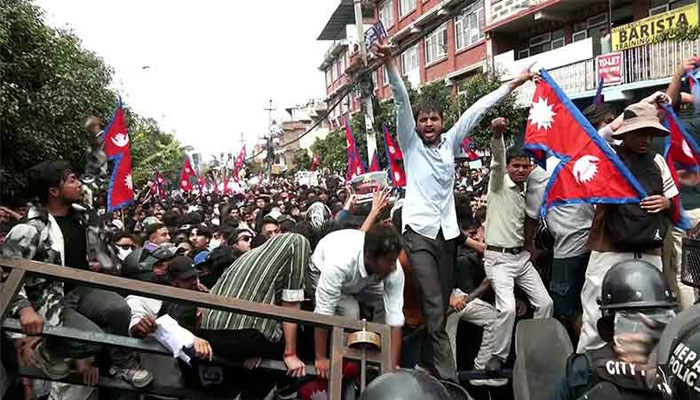
Fast forward to today, and Gen Z is carrying this torch globally. Less than a week ago, young Nepalis toppled KP Sharma Oli’s government over a social media ban, corruption, and nepotism. Armed with Instagram Reels, TikToks, and hashtags, they mobilised like no generation before. Their methods may differ—streaming protests online or using pop-culture symbols—but the impulse is the same: challenge the system.
Youth and Revolution: A Historical Pattern
Across eras, revolutions have been young-driven. Bhagat Singh and Sukhdev were just 23 when martyred; Lenin was 22 when politically active; Che Guevara began his revolutionary journey at 23. Globally, from Mandela joining the ANC at 24 to students at Tiananmen Square, young people have historically led dissent.
Sociologists explain this instinct. Chandra Shekhar notes that youths, exploring identity and beliefs, are more willing to challenge authority. Psychiatrists like Dr Zirak Marker add that ongoing brain development until around 25 makes adolescents prone to risk-taking, impulsivity, and emotional intensity—traits that fuel activism.
Why Youths Take Risks
Young adults often occupy transitional social positions—students or early-career workers—so they have more to gain and less to lose. They are less burdened by dependents or mortgages, making societal change seem attainable. In resource-scarce nations like Nepal or Bangladesh, protests are also a legitimate outlet to demand justice and rights.
Even with the lens of biology, sociology, and history, one truth remains: the impulse to rise, resist, and risk it all rests with the young. From the JP Movement to Nepal’s Gen Z uprising, rebellion is as much about coming of age as it is about fighting for a cause.
Comments are closed.