

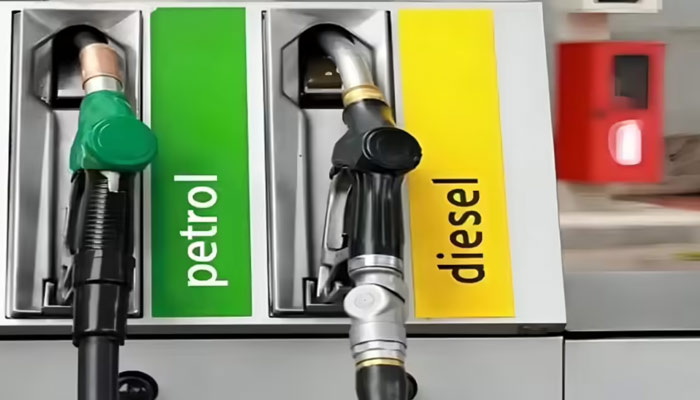
With global crude oil prices remaining elevated and oil marketing companies bleeding heavily, pressure is mounting on the Centre to take a call on petrol and diesel prices in the coming days.
Reports suggest that a fuel price hike may soon be unavoidable as the government grapples with rising fiscal stress triggered by the prolonged West Asia conflict.
According to reports, state-run oil companies have been absorbing massive losses for over two months while retail fuel prices remain frozen despite crude prices staying above the $100-per-barrel mark. Sources cited by India Today TV indicated that petrol and diesel prices could be revised upward before mid-May as under-recoveries continue to widen.
India has so far resisted passing the full burden of higher crude prices onto consumers, unlike several major economies that have already sharply raised fuel prices. Countries such as China, Germany, the United Kingdom, Japan, and South Korea have all increased retail fuel rates in response to soaring global oil prices.
The Centre initially chose to shield consumers when crude prices surged during the early stages of the West Asia conflict, reportedly absorbing losses of around Rs 24 per litre on petrol and nearly Rs 30 per litre on diesel. The government had also earlier reduced excise duties on fuel, resulting in a substantial hit to the exchequer.
However, the financial strain is becoming increasingly difficult to sustain. Oil marketing companies including Indian Oil Corporation, Bharat Petroleum Corporation Ltd, and Hindustan Petroleum Corporation Ltd are estimated to have suffered losses running into tens of thousands of crores due to the prolonged freeze on petrol and diesel prices.
The burden has intensified further because of rising maritime insurance premiums and supply disruptions linked to the geopolitical tensions in the region. Officials have also indicated that India is looking to strengthen its strategic petroleum reserves to reduce vulnerability during future global supply shocks.
Despite the mounting losses, the government has ruled out offering direct financial support to state-owned fuel retailers at present. Senior officials from the Ministry of Petroleum and Natural Gas recently stated that there is currently no proposal under consideration to compensate oil companies for their under-recoveries.
While retail petrol and diesel prices have remained unchanged, increases have already been implemented in commercial LPG cylinders and bulk diesel used by industrial consumers. Aviation turbine fuel prices for international airlines have also seen significant hikes in recent months.
Officials maintain that the decision to hold retail fuel prices steady has been driven by the need to contain inflation and protect consumers from a wider surge in living costs. Any increase in petrol and diesel prices would likely have a cascading impact across sectors by raising transportation and logistics expenses, eventually affecting prices of essential goods and services.
Even so, with losses mounting daily and global crude markets remaining volatile, the pressure to revise fuel prices appears to be growing stronger with each passing week.
Comments are closed.