

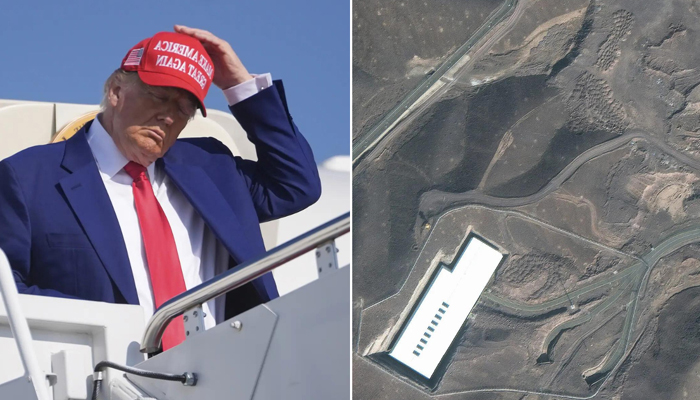
Donald Trump is weighing a high-risk ground operation in Iran to seize nearly 400 kg of enriched uranium, even as backchannel diplomacy continues to ease tensions in West Asia, according to a report by The Wall Street Journal.
The proposed plan centres on preventing Iran from retaining nuclear material that could potentially be used for weapons. Trump has indicated to allies that Tehran must surrender the stockpile as part of any deal, and has discussed the possibility of taking it by force if negotiations fail.
At the same time, indirect talks between Washington and Tehran—facilitated by intermediaries including Pakistan, Egypt and Turkey—are said to be making progress, though no direct negotiations have taken place so far.
Military Build-Up and Strategic Goal
The potential operation comes alongside a US military build-up in the region, with additional troops being deployed under US Central Command. Trump has maintained that a key objective of the conflict is to ensure Iran never acquires nuclear weapons, though he has not fully clarified how far he is willing to go to dismantle Tehran’s programme.
Before earlier strikes, Iran was believed to possess significant quantities of enriched uranium, much of it stored at facilities such as Natanz and Isfahan. While some sites were damaged, international inspectors believe portions of the stockpile remain intact.
A Complex and Risky Operation
Experts warn that seizing the material would be highly complex and dangerous, likely requiring US troops to enter fortified and potentially booby-trapped nuclear sites under threat from Iranian air defences and drones. The process would involve securing the area, locating the uranium, and safely transporting it using specialised equipment—an operation that could take days.
Such a move risks triggering retaliation from Iran and could significantly prolong the conflict, contradicting Trump’s stated preference to avoid a drawn-out war.
Divisions Within the US Camp
The proposal has also exposed differences within the US administration. Intelligence chief Tulsi Gabbard is seen as more cautious on Iran, while Vice President JD Vance and some Republicans have raised concerns about the broader economic and political costs of escalation.
With diplomacy still underway, it remains unclear whether Washington will pursue negotiations or opt for a more aggressive approach to neutralise Iran’s nuclear capabilities.
Comments are closed.