
Tamil Nadu Polls: From AIADMK Sweep to DMK Resurgence, A Decade of Shifting Trends

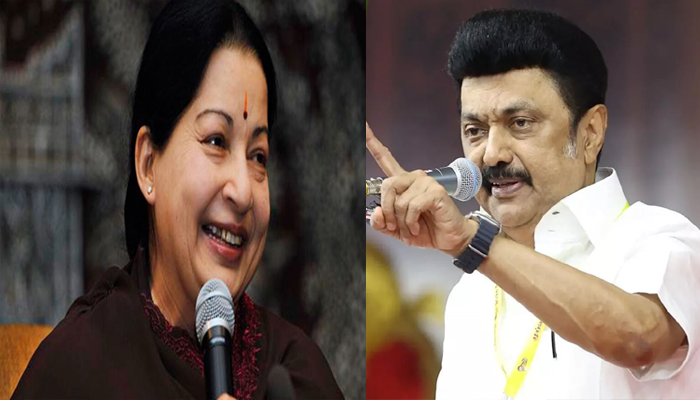
Politics in Tamil Nadu has long revolved around a bipolar contest between the AIADMK and the DMK.
With voters frequently swinging between the two, driven by anti-incumbency, leadership appeal, and alliance arithmetic.
2011: AIADMK Rides Anti-Incumbency Wave
The 2011 Assembly elections saw the AIADMK, led by J. Jayalalithaa, return to power with a commanding mandate. The party won 150 seats, capitalising on strong anti-incumbency against the DMK government.
In vote share terms, AIADMK secured about 38.4%, while the DMK trailed with roughly 22.4%, highlighting a decisive voter shift.
2016: AIADMK Breaks the Pattern
In 2016, the AIADMK defied Tamil Nadu’s usual anti-incumbency trend by retaining power. It won 136 seats with a vote share of around 40.88%.
The DMK, however, narrowed the gap significantly, winning 98 seats and securing nearly 39.85% of the vote—signalling a more competitive political landscape.
2021: DMK Stages Comeback
The 2021 elections marked a return to the norm, with the DMK, under M. K. Stalin, coming back to power after a decade. The party won 133 seats with a vote share of 37.7%, while the AIADMK was reduced to 66 seats with about 33.29% votes.
The result reflected voter fatigue with the incumbent regime and reaffirmed the state’s tendency toward change.
Key Trends
Alternating power: Barring 2016, voters have largely alternated between the two Dravidian majors.
Alliance impact: Pre-poll coalitions have often amplified seat outcomes despite close vote shares.
Vote-share paradox: Narrow differences in vote percentage have translated into large seat gaps due to the first-past-the-post system.
Two-party dominance: Smaller parties and third fronts have struggled to break the AIADMK-DMK duopoly.
With the 2026 Assembly elections approaching, these patterns suggest that voter sentiment, alliances, and leadership will once again be decisive in shaping the verdict.
Comments are closed.