

For millions of working professionals, spending hours on a laptop is part of everyday life.
But using a laptop directly on the thighs for prolonged periods can raise the temperature around the scrotum, prompting questions about whether repeated heat exposure could affect sperm health.
This does not mean that working with a laptop on your lap causes infertility. However, research has shown that sperm production is sensitive to temperature, and sustained increases in scrotal temperature may affect the environment needed for normal sperm development.
Why sperm production needs a cooler environment
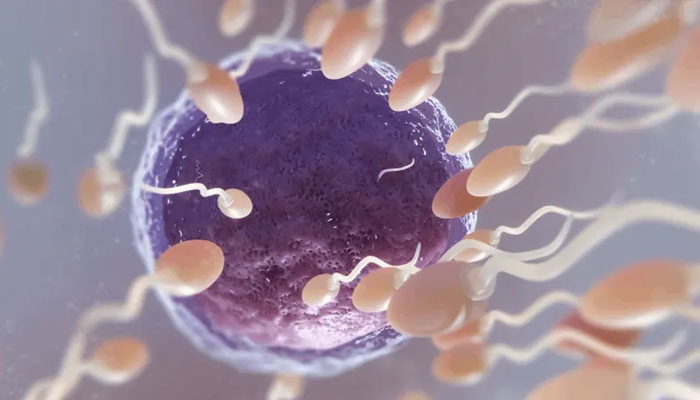
Sperm production, or spermatogenesis, works best at a temperature slightly below the body’s core temperature. The testes are located in the scrotum outside the abdominal cavity partly because this positioning helps maintain the cooler conditions required for sperm development.
Studies investigating heat exposure have found that artificially raising scrotal or testicular temperature can reduce sperm production and affect certain measures of sperm quality. Heat exposure from occupational conditions, the environment and particular activities has therefore been studied as one potential factor in male reproductive health.
What happens when a laptop sits on the thighs?
Research has found that using a working laptop directly on the lap can substantially increase scrotal temperature. In one study, after about an hour, temperatures increased by roughly 2.6°C to 2.8°C on the measured sides.
Interestingly, sitting with the thighs held together also raised scrotal temperature. The increase was greater when the laptop was operating, suggesting that both the device’s heat and the posture used while holding it on the lap can contribute.
Does higher scrotal temperature mean infertility?
Not necessarily.
A temporary or moderate rise in scrotal temperature does not mean that a man will automatically develop a low sperm count or become infertile. Male reproductive health is influenced by a wide range of factors, including:
- Sperm concentration and total sperm count
- Sperm movement and morphology
- Hormonal function
- Testicular health
- Varicocele and other reproductive conditions
- Age
- Body weight and metabolic health
- Smoking and substance exposure
- Certain medications
- Infections
- Environmental and occupational exposures
As a result, it would be misleading to claim that laptop use on the lap directly causes infertility.
What about men working on laptops for 8–10 hours a day?
For someone working from home for long stretches, the laptop may be only one part of the picture. Extended sitting can often go hand in hand with low physical activity, poor sleep, irregular eating patterns, stress and long working hours.
These factors can also influence general and reproductive health. Obesity and metabolic problems, for example, can affect hormonal function, while smoking and certain environmental exposures have been associated with changes in sperm parameters.
The focus, therefore, should be on overall reproductive health rather than treating laptop heat as the sole explanation for fertility problems.
Should men stop using laptops on their laps?
There is generally no reason to panic over occasional lap use. But if a laptop is routinely placed directly on the thighs for several hours, particularly when it becomes noticeably hot, moving it to a desk or stand is a simple precaution.
Men can reduce unnecessary heat exposure by:
Using a desk or laptop stand: This creates distance between the heat-producing device and the groin.
Limiting prolonged lap use: Avoid keeping a hot laptop directly on the thighs for extended periods.
Taking movement breaks: Stand up and walk around periodically instead of remaining seated for hours.
Limiting other prolonged heat exposure: Frequent sauna or hot-tub use may also be relevant when considering overall heat exposure.
Maintaining healthy habits: Regular exercise, a healthy weight, adequate sleep and avoiding tobacco can support reproductive health.
When should couples seek a fertility evaluation?
Difficulty conceiving should not automatically be blamed on laptop use or any single lifestyle habit. Infertility involves both partners, and male factors can contribute to problems with conception.
A semen analysis is one of the standard tests used to assess male reproductive function, although its results alone cannot definitively determine whether a man is fertile or infertile.
Depending on the circumstances, a fertility assessment may include a detailed medical history, physical examination, semen analysis and additional tests recommended by a healthcare professional.
Can cooling the testicles improve fertility?
The role of temperature in sperm production does not mean that actively cooling the testicles is a proven fertility treatment.
A systematic review found insufficient evidence to establish that scrotal cooling improves male fertility. Avoiding unnecessary heat exposure is therefore different from deliberately cooling the testicles as a treatment. Extreme cooling methods should not be attempted without medical advice.
The practical takeaway
For men who spend most of the day working on a laptop, a simple change can reduce unnecessary heat exposure: use a desk or laptop stand instead of keeping the device directly on your lap for hours.
For those planning a pregnancy, maintaining overall reproductive and metabolic health is far more useful than focusing on a single potential risk. And if conception is not occurring despite regular unprotected intercourse, seeking an appropriate fertility evaluation is preferable to assuming that laptop use is the cause.
Your laptop may be essential for work, but there is no need for your lap to be its permanent desk.
Comments are closed.