
IMD Warns of Thunderstorms, Lightning Across Tamil Nadu, Telangana and Other States

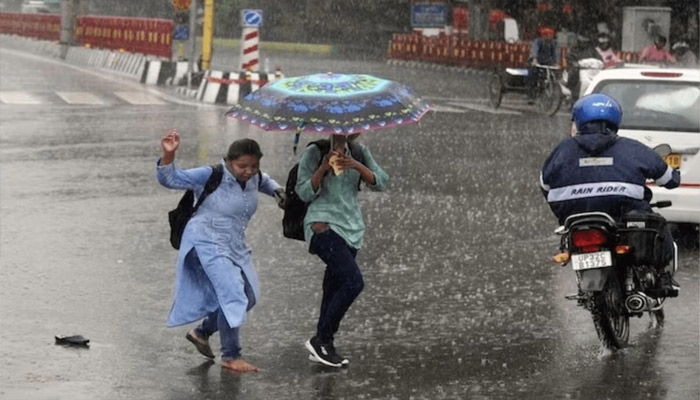
IMD Issues Thunderstorm and Lightning Alert for Several States: Precautions You Should Take
The India Meteorological Department (IMD) has issued a thunderstorm and lightning alert for several parts of the country, warning of gusty winds, lightning activity and heavy rainfall in isolated areas over the coming days.
According to the latest forecast, thunderstorms accompanied by lightning and wind speeds of 40-50 kmph are likely over the Andaman and Nicobar Islands, West Bengal, Tamil Nadu, Karnataka, Telangana, Delhi-NCR and adjoining regions.
While thunderstorms often bring relief from intense summer heat, they can also trigger dangerous conditions, including lightning strikes, falling trees, power disruptions, traffic accidents and localised flooding. Weather experts have urged residents in affected areas to remain alert and follow safety guidelines issued by authorities.
Why Lightning Should Never Be Taken Lightly
Lightning is among the deadliest weather-related hazards. A single strike can carry millions of volts of electricity and cause severe burns, cardiac arrest, neurological injuries and fatalities.
One of the biggest misconceptions is that lightning only strikes where it is raining heavily. In reality, a lightning bolt can travel several kilometres away from a thunderstorm cloud and strike even when rainfall is not occurring nearby.
Meteorologists advise that if you can hear thunder, you are already within striking distance of lightning and should seek shelter immediately.
Essential Safety Measures During a Thunderstorm
Seek Shelter Without Delay
At the first sign of thunder or lightning, move indoors and remain inside a sturdy building. If no building is available, a fully enclosed vehicle can provide protection. Open structures, terraces, sheds and rooftops are not considered safe shelters.
Avoid Trees and Open Areas
Standing beneath a tree during a thunderstorm is extremely risky. Trees are frequently struck by lightning, and the electrical current can travel through the trunk and surrounding ground.
Open fields, playgrounds, agricultural land, beaches and parks should also be avoided during storm activity.
Stay Away From Water
Water is an excellent conductor of electricity. Swimming pools, lakes, rivers, ponds and coastal areas become particularly dangerous when thunderstorms develop. Leave such locations immediately if thunder is heard.
Disconnect Electrical Devices
Lightning can trigger sudden power surges capable of damaging electronic equipment. Unplug televisions, computers, routers and other sensitive devices if weather conditions deteriorate.
Avoid Wired Connections
Experts recommend avoiding wired telephones and plugged-in electronic equipment during thunderstorms, as lightning can travel through electrical and communication lines.
Keep Distance From Metal Objects
Metal does not attract lightning, but it conducts electricity effectively. Avoid handling bicycles, metal poles, fences, machinery and umbrellas with metal frames during lightning activity.
Postpone Outdoor Plans
Outdoor sports, jogging, cycling, trekking, construction work and other activities should be delayed until weather conditions improve.
What To Do If You Are Caught Outside
Thunderstorms can develop rapidly, leaving little time to reach shelter. If you are outdoors and cannot immediately find a safe building:
Move away from open fields, hilltops and isolated structures.
Stay away from water bodies and metal objects.
Avoid standing near tall trees.
If no shelter is available, crouch down with your feet together and your head lowered to minimise contact with the ground.
Do not lie flat on the ground, as this increases exposure to electrical currents travelling through the surface.
Extra Care for Children and Elderly People
Children, senior citizens and individuals with existing medical conditions may be more vulnerable during severe weather events. Families should ensure they remain indoors, have access to emergency contact numbers, flashlights and essential medications, and avoid unnecessary travel during periods of intense thunderstorm activity.
Heavy Rainfall Warning Also Issued
Alongside the thunderstorm alert, the IMD has forecast heavy rainfall in parts of southern and coastal India, including sections of Tamil Nadu and Kerala. Authorities have warned of possible waterlogging, reduced visibility on roads, traffic disruptions and localised flooding in low-lying areas.
Residents are advised to keep track of official weather updates and follow instructions issued by local administrations as conditions evolve.
Comments are closed.