
Kolkata’s Durga Puja: How a Grand Celebration Earned UNESCO Heritage Recognition

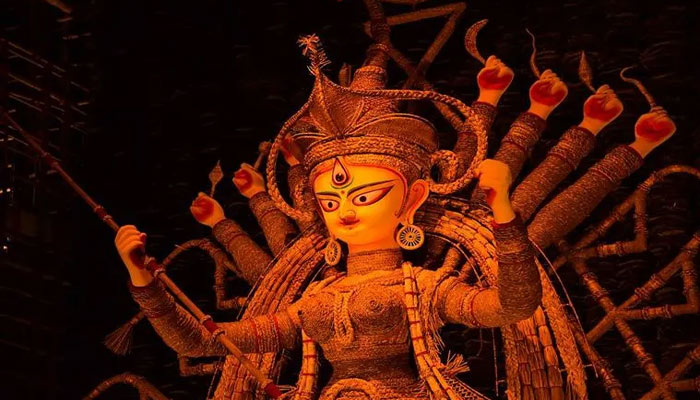
Kolkata’s Durga Puja: The Living Cultural Tradition That Earned UNESCO Recognition
Every year, as Durga Puja approaches, Kolkata transforms into a city-wide celebration of art, devotion and community. Illuminated streets, the rhythmic beats of dhaak drums, festive shopping and crowded pandals become part of the city’s distinctive atmosphere. Yet, behind the spectacle lies a cultural legacy sustained by generations of artisans, artists, neighbourhood organisations and local communities.
In 2021, Kolkata’s Durga Puja was inscribed on UNESCO’s Representative List of the Intangible Cultural Heritage of Humanity. The recognition celebrated not only the religious significance of the festival but also its craftsmanship, artistic innovation and strong spirit of community participation.
At the centre of the festivities is Goddess Durga’s victory over the demon Mahishasura, symbolising the triumph of good over evil. In Kolkata, however, the celebration reaches far beyond traditional worship. It brings together sculpture, architecture, music, performance, food and public art, turning the city into a vibrant cultural landscape every autumn.
Months before the festival begins, artisans in Kumartuli start creating elaborate clay idols of the goddess. Meanwhile, neighbourhood committees and artists work together to design pandals, many of which become remarkable temporary structures inspired by historical architecture, contemporary art and imaginative themes.
For travellers, exploring these pandals offers a distinctive way to discover Kolkata. Pandal-hopping provides a glimpse into the city’s neighbourhood cultures, artistic traditions and lively street life. From intricately decorated traditional spaces to experimental installations, each destination offers a different interpretation of the festival.
How Durga Puja Became More Than a Religious Celebration
Durga Puja’s cultural significance lies in the collective effort behind its celebration. The preparations involve idol-makers, painters, architects, designers, decorators, volunteers, local clubs and countless other contributors who work for months to bring the festivities to life.
The pandals reflect a constant conversation between heritage and innovation. Some draw inspiration from traditional Bengali craftsmanship, historical monuments and regional cultural motifs, while others embrace contemporary design and ambitious artistic concepts. This balance allows the festival to preserve established skills while creating space for fresh ideas.
The celebrations also extend beyond the city. Bengali communities across India and overseas organise their own Durga Puja festivities, carrying rituals, food traditions and cultural practices into new places. Nevertheless, Kolkata remains closely associated with the festival’s identity because of the scale, creativity and neighbourhood participation that define its celebrations.
Food is another essential part of the experience. Temporary stalls, roadside vendors and established eateries serve festive favourites and popular street food, making the culinary journey between pandals as memorable as the decorations themselves.
The Historian Who Helped Document Durga Puja’s Cultural Legacy
Kolkata’s UNESCO recognition followed efforts to document the festival’s wider cultural importance. Historian Tapati Guha-Thakurta, known for her research into art history, visual culture and the social dimensions of Durga Puja, was tasked with preparing the nomination dossier.
The case for UNESCO recognition focused on the festival as a living cultural tradition rather than solely a religious event. It highlighted the skills of artisans, the involvement of neighbourhood communities, the creation of temporary public art and the ways in which established practices adapt to changing times.
The 2021 inscription brought international attention to a tradition that has long played a significant role in Kolkata’s cultural and social life. It also underscored the importance of preserving the knowledge, craftsmanship and community relationships that sustain such celebrations across generations.
Why Durga Puja Is a Must-Experience Festival in Kolkata
For many Bengali families, Durga Puja is deeply connected with homecoming, reunion and belonging. People return to their hometowns, meet relatives and friends, wear new clothes and spend long hours visiting pandals together. The festival creates a shared sense of celebration that extends across generations.
The festivities conclude with the immersion of the Durga idols, marking the goddess’s departure and the end of the celebrations. The ritual carries emotional significance, bringing the festival’s excitement to a close while preserving the anticipation of her return the following year.
For visitors, the experience goes beyond conventional sightseeing. Streets become gathering places, neighbourhoods turn into open-air cultural stages, and people from different backgrounds come together to admire the artistry on display.
A visit to Kolkata during Durga Puja offers an opportunity to witness how a city expresses its identity through creativity, faith and collective participation. Each pandal tells a different story, while the artisans’ work and the involvement of local communities reveal the effort behind the grand spectacle.
UNESCO recognition has expanded the festival’s international visibility, but its enduring appeal remains rooted in Kolkata itself. It is found in the months of preparation, the transformation of familiar streets and the shared excitement that brings residents and visitors together.
For a few days each year, Kolkata becomes more than the setting for Durga Puja. Its streets, people, artists and traditions become inseparable parts of the celebration, keeping a remarkable cultural heritage alive for future generations.
Comments are closed.