
Macron Calls Trump as Iran War, Hormuz Crisis Deepen Global Oil Shock; France Seeks G7 Action

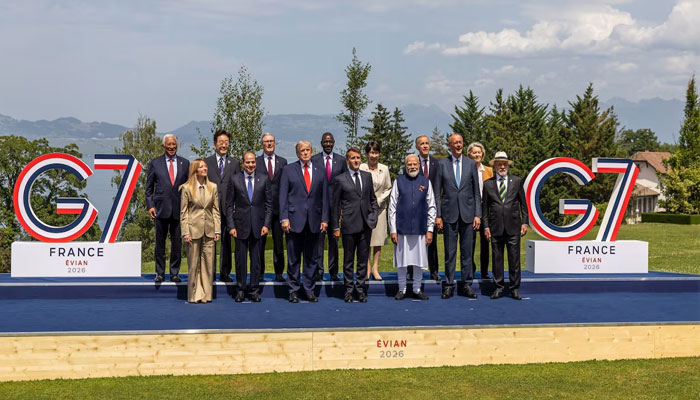
France is pushing for coordinated G7 action to tackle soaring fuel prices and growing concerns over global oil supplies, with a videoconference of G7 leaders expected to be held soon.
The move comes as disruptions to oil flows, refinery constraints and geopolitical tensions have sent fuel prices sharply higher across several countries.
A French diplomatic source said French President Emmanuel Macron spoke overnight with US President Donald Trump about the global energy situation. Their discussion focused on the need for international coordination to contain rising fuel prices and ensure adequate supplies of crude and refined petroleum products.
Macron also discussed the issue with Canadian Prime Minister Mark Carney.
France seeks G7 coordination
France, which holds the G7 presidency this year, is working with the International Energy Agency (IEA) to organise a videoconference of G7 leaders “as soon as possible”.
According to the French diplomatic source, the meeting will examine ways to coordinate measures aimed at easing price pressures and safeguarding supplies of crude oil and refined products in G7 countries and beyond.
Paris is also pursuing coordination at the European level. Macron has stressed that G7 members have a shared interest in acting collectively and avoiding export restrictions.
Oil disruption adds to fuel-price pressure
Global fuel prices have risen sharply amid the conflict involving the US, Israel and Iran, disruptions in the Strait of Hormuz and continuing geopolitical risks linked to the Russia-Ukraine war.
Oil flows through the Strait of Hormuz have fallen to below 15% of prewar levels since US and Israeli strikes on Iran began in February 2026, according to the figures cited in the report. The disruption has tightened global supplies and pushed crude prices from around $65 per barrel to above $100.
Refinery and refined-product shortages have added to the pressure, particularly in the diesel market. Ukrainian attacks on Russian refineries, restrictions on Chinese refined-fuel exports and wider refinery bottlenecks have further strained global supplies.
Markets are also factoring in the possibility of additional geopolitical escalation, keeping prices elevated even as some oil shipments are rerouted through alternative routes.
Fuel prices reach record levels
The impact has been felt across major economies. In the US, diesel prices climbed to about $6.52 per gallon, while petrol reached around $4.43 per gallon. Forty-seven states recorded their highest diesel prices in late September, with prices rising roughly 74-76% from a year earlier.
In the UK, diesel crossed £2 per litre for the first time, with the RAC reporting an average of 200.01 pence per litre. Petrol stood at around 174.7 pence per litre.
The surge has also added to inflationary pressures. Eurozone inflation reached 3.8%, a three-year high, with energy prices rising 18.8% year-on-year. Fuel and gas costs were among the main drivers, while France also saw protests over higher prices.
Poland recorded petrol prices of 8.19 zł per litre and diesel at 9.14 zł. In the Philippines, fuel-price protests prompted calls for prices to be reduced to 55 pesos per litre, while the country had already declared a national energy emergency in March.
Germany’s annual headline inflation stood at around 3.3%, with higher petrol prices contributing to the increase.
Rising fuel costs hit households
The increase in fuel prices is feeding into transport, food and other household expenses. US households spent an estimated additional $117 billion on petrol and diesel between March and September 2026 compared with the same period last year.
Higher fuel costs have also contributed to protests, driver strikes and road blockades in countries including Syria, Guatemala, Portugal, Indonesia, Spain, France and the Philippines.
Governments have responded with a range of measures. Poland introduced a windfall tax aimed at reducing pump prices, while the European Union allocated €540 million to support farmers affected by higher energy and fertiliser costs.
G7 response in focus
The proposed G7-IEA coordination could include discussions on strategic stock releases and measures to coordinate supplies, potentially easing short-term pressure on fuel markets.
Developments around the Strait of Hormuz will remain a key factor. A prolonged disruption could keep crude and diesel prices elevated, while any de-escalation could reduce supply concerns.
Oil-market conditions will also depend on Russian refinery operations, Chinese export policies and refinery utilisation in Europe and the US, all of which could influence the availability and price of refined fuels in the weeks ahead.
Comments are closed.