
Microsoft Raises $25 Billion Through Bond Sale: Why Is the Tech Giant Borrowing Despite Its Massive Cash Reserves?

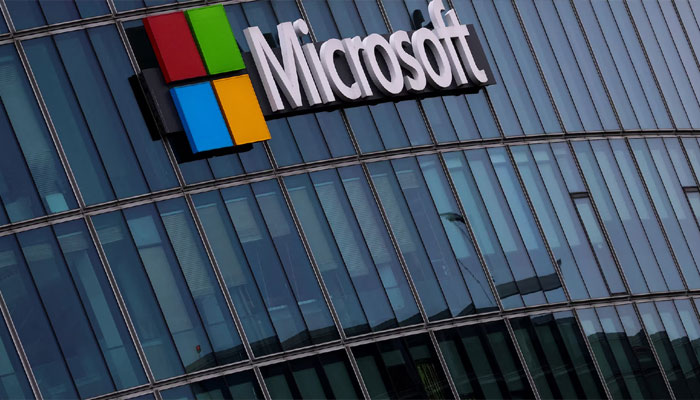
Why Microsoft Is Raising $25 Billion Through Bonds Despite Its Huge Cash Reserves
Microsoft has returned to the US investment-grade bond market with a $25 billion debt offering, marking its first such domestic bond sale since 2017. The move comes as the technology giant steps up spending on artificial intelligence (AI), cloud computing and data centre infrastructure, highlighting the enormous financial requirements of the global AI race.
The company has priced $25 billion in senior unsecured notes with maturities extending from 2028 to 2066. Interest rates on the fixed-rate bonds go as high as 6.35%, while the offering is expected to close on November 4, according to Microsoft’s October 29 announcement.
The funds will support a range of corporate requirements, including capital expenditure, working capital, acquisitions, share buybacks and repayment of existing borrowings. Although Microsoft has not designated the entire proceeds for AI investments, the timing of the transaction reflects the growing need for financing as technology companies expand their computing infrastructure.
Why Is Microsoft Borrowing Despite Having Billions in Cash?
Microsoft’s decision to raise debt has attracted attention because the company already maintains substantial financial reserves. Its annual report showed cash, cash equivalents and short-term investments of $76.8 billion as of June 30, 2026.
However, maintaining a large cash balance while accessing debt markets can be part of a broader financial strategy. Rather than relying entirely on its existing reserves, Microsoft can use borrowing to support long-term investments while retaining liquidity for operational needs and unexpected expenses.
The growing cost of AI development is another important factor. Building modern data centres requires substantial spending on land, construction, electricity supply, cooling systems, advanced processors, servers and networking equipment.
These investments involve considerable upfront costs, while the revenue generated from AI services and cloud infrastructure may develop over several years.
By issuing long-term bonds, Microsoft can distribute its financing requirements over an extended period and preserve flexibility for other business priorities.
AI and Cloud Expansion Fuel Big Tech’s Borrowing Trend
The rapid expansion of generative AI has created unprecedented demand for computing capacity. Microsoft is investing heavily in infrastructure to strengthen its Azure cloud business and support AI-powered products, including Microsoft 365 and Copilot.
Operating these services requires powerful computing systems capable of processing enormous volumes of information and handling increasingly complex workloads.
The challenge for technology companies is that infrastructure spending must often take place well before the full commercial benefits become visible. Debt financing provides another source of capital to manage this investment cycle.
Microsoft’s move is also part of a wider trend across the technology industry. Alphabet raised $25 billion through a bond offering in August, while other major technology companies have also explored debt financing to support their AI expansion plans.
The growing reliance on external funding has raised questions about whether future revenues from AI products and services will be sufficient to justify the enormous infrastructure investments.
Microsoft Bond Offering: Interest Rates Reach 6.35%
Microsoft’s $25 billion bond issue includes several tranches of fixed-rate and floating-rate notes with different maturity periods.
The fixed-rate securities carry annual coupons ranging from 4.85% to 6.35%. The shorter-term notes include:
- $2 billion due in 2028 at 4.85%.
- $3.25 billion due in 2029 at 5%.
- $3.25 billion due in 2031 at 5.20%.
- $4 billion due in 2036 at 5.55%.
- $4 billion due in 2056 at 6.25%.
- $2 billion due in 2066 at 6.35%.
The remaining fixed-rate securities mature in 2033 and 2046, alongside two floating-rate tranches.
The wide range of maturities allows Microsoft to secure funding for different periods rather than depending exclusively on short-term loans. However, the company will also have to manage the associated interest payments over the life of these securities.
Strong Investor Demand for Microsoft’s Debt
The bond offering has attracted substantial interest from investors. Reports indicated that total orders exceeded $100 billion, significantly higher than the $25 billion Microsoft planned to raise.
This demand reflects investor confidence in Microsoft’s financial position, established software business, cloud operations and ability to generate substantial cash flows.
The company’s strong credit standing also gives it access to international debt markets on favourable terms compared with businesses carrying greater financial risks.
Microsoft’s latest borrowing exercise demonstrates that having billions of dollars in cash does not necessarily eliminate the need to raise debt. For a company investing heavily in AI and cloud infrastructure, maintaining liquidity while securing long-term financing can be an important part of its growth strategy.
As the global AI race intensifies, Microsoft’s bond sale offers a glimpse into how even the world’s largest technology companies are adjusting their financing strategies to meet the enormous costs of future computing infrastructure.
Comments are closed.