
Navratri 2026: Why Sendha Namak Is Preferred Over Regular Table Salt During Fasting

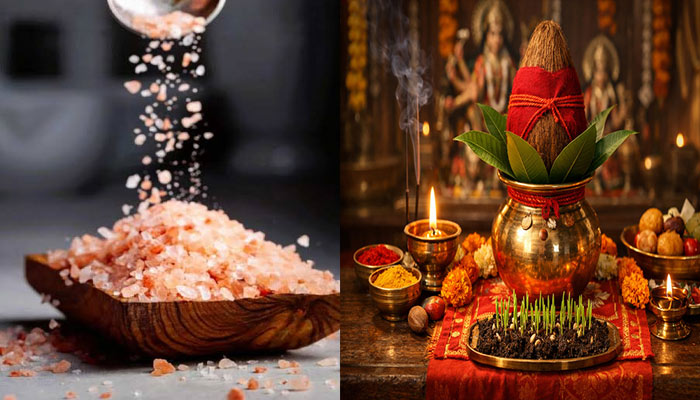
Navratri 2026: Why Is Sendha Namak Used During Fasting Instead of Regular Table Salt?
Navratri is one of the most significant Hindu festivals, marked by prayers, rituals and fasting across India. During the nine-day celebration, devotees follow specific dietary practices and prepare a variety of vrat-friendly dishes, including sabudana khichdi, kuttu puri and vrat wale aloo. One ingredient frequently found in these preparations is sendha namak, or rock salt, which is preferred over ordinary table salt in many households.
But what makes sendha namak a popular choice during Navratri fasting? The answer lies primarily in religious customs, although differences in processing and nutritional composition also contribute to the discussion.
Religious Traditions Behind Sendha Namak
For many devotees, Navratri fasting involves avoiding certain foods to maintain a simple diet and observe religious discipline. Depending on regional customs and family traditions, restrictions may apply to regular grains, onions, garlic and conventional table salt.
Sendha namak is permitted in many vrat traditions and is commonly used to season fasting dishes. It allows devotees to prepare flavourful meals while adhering to their customary dietary rules. However, fasting practices are not identical everywhere, and the foods permitted during a vrat may differ from one community or household to another.
The preference for rock salt is therefore largely rooted in religious beliefs and established culinary traditions rather than a universal dietary requirement.
What Is Sendha Namak?
Sendha namak, also known as saindhava lavana, is a form of rock salt obtained from natural underground deposits. It is commonly available as white, pink or translucent crystals and is widely used in Indian cooking.
Regular table salt typically undergoes refining and is often fortified with iodine, an essential nutrient required by the body. Rock salt is frequently sold in a less-refined form, although processing methods can vary between products.
Despite differences in appearance and processing, both rock salt and regular table salt consist primarily of sodium chloride. The colour of sendha namak does not, by itself, indicate that it offers significant additional health benefits.
Does Rock Salt Offer Special Health Benefits?
Sendha namak is often associated with claims that it improves digestion, boosts metabolism and helps eliminate toxins from the body. It also has a place in traditional Ayurvedic practices.
However, scientific evidence supporting many of these specific claims remains limited. The human body already relies on organs such as the liver and kidneys to process waste and maintain its internal balance. Replacing table salt with rock salt does not provide a proven detoxification benefit.
Similarly, there is no strong scientific evidence that consuming sendha namak alone improves metabolism or produces substantial digestive benefits.
Is Sendha Namak Better for High Blood Pressure?
A common misconception is that rock salt is a safer option for people with high blood pressure. In reality, sendha namak is not inherently low in sodium.
Both rock salt and conventional table salt contain sodium, and excessive sodium consumption can contribute to elevated blood pressure. People with hypertension should monitor their total salt intake and follow medical advice rather than assuming that switching to rock salt eliminates the risk.
The amount consumed matters more than whether the salt is pink, white, refined or unrefined.
Can Sendha Namak Improve Skin and Hair?
Rock salt is sometimes promoted as a natural ingredient for healthier skin and hair. It may be used in certain scrubs or topical preparations, but coarse salt can irritate the skin and scalp, particularly when applied aggressively.
There is also insufficient scientific evidence that eating sendha namak improves hair growth, prevents hair loss or makes skin healthier. Maintaining a balanced diet, getting adequate hydration and following appropriate skin and hair care practices are more important for overall well-being.
Why Iodine Matters When Choosing Salt
One nutritional difference worth considering is iodine. Regular table salt is commonly iodised to help prevent iodine deficiency. The body needs this mineral to produce thyroid hormones, which regulate several important functions.
Sendha namak generally does not provide a dependable amount of iodine unless the product has been fortified. People who regularly use non-iodised salt should ensure they obtain sufficient iodine from other dietary sources.
For those observing Navratri, following fasting customs should go hand in hand with maintaining adequate nutrition.
The Bottom Line
Sendha namak remains a popular ingredient during Navratri because many Hindu fasting traditions permit its use in place of regular table salt. It is commonly added to dishes such as sabudana khichdi, potato preparations and other vrat-friendly meals.
However, rock salt should not automatically be considered healthier than ordinary table salt. Both are sources of sodium, and excessive consumption of either can affect health. Claims about detoxification, improved metabolism and other special benefits should be approached cautiously.
During Navratri 2026, devotees can continue to follow their family’s fasting customs while paying attention to balanced meals, adequate hydration and sensible salt consumption. The principal reason for choosing sendha namak remains its place in religious tradition, rather than proven medical superiority.
Comments are closed.