
Nepal Erupts in Protest After Driver’s Self-Immolation Death, Balen Shah Government Under Pressure

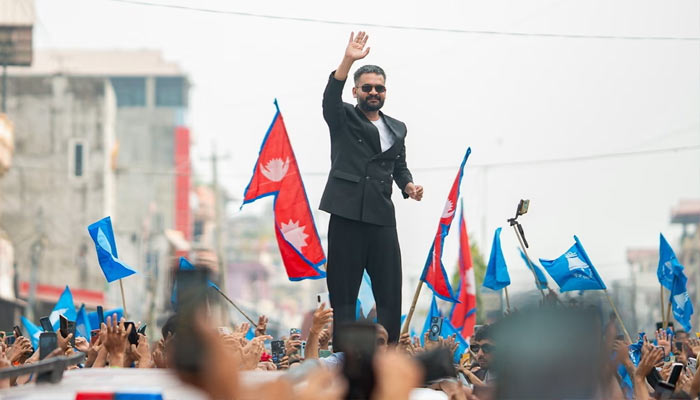
Driver’s Self-Immolation Death Sparks Gen-Z Protests, Piling Pressure on Nepal’s Balen Shah Government
A fresh wave of Gen-Z-led protests has erupted in Nepal, posing one of the biggest political challenges yet to Prime Minister Balendra “Balen” Shah’s government. The demonstrations were triggered by the death of a 25-year-old ride-hailing driver, who allegedly died by self-immolation after a confrontation with municipal police over a parking violation.
The unrest comes less than a year after youth-led protests transformed Nepal’s political landscape and helped pave the way for Shah’s rise to power. Now, the same demographic that backed his government is demanding accountability over what they describe as heavy-handed governance.
Driver’s Death Triggers Public Outrage
The protests were sparked by the death of Ganesh Nepali, a Pathao rider, who allegedly set himself on fire outside Kathmandu’s Department of Passports office on Thursday.
According to police and CCTV footage, Nepali had parked his motorcycle outside the office in Tripureshwar while waiting for his next ride. Municipal police reportedly asked him to move the vehicle before immobilising it with a wheel lock over an alleged parking violation.
Authorities said Nepali argued with officials for nearly two hours over a 1,000 Nepali rupee parking fine before allegedly pouring petrol from his motorcycle over himself and setting himself ablaze.
Police personnel attempted to extinguish the flames and rushed him to Bir Hospital, but he later succumbed to his injuries.
Youth Take to the Streets
Following his death, hundreds of young protesters gathered outside the Singhdurbar Secretariat in Kathmandu, demanding justice for Nepali and accusing the government of failing to protect ordinary citizens.
Demonstrators alleged that the incident reflected an increasingly insensitive approach towards working-class people and called for an impartial investigation into the circumstances leading to the tragedy.
Government Announces Probe
As public anger intensified, the Kathmandu Metropolitan City reached a nine-point agreement with Nepali’s family. The agreement includes the formation of an independent inquiry committee and the suspension of personnel involved in the incident until the investigation is completed.
Separately, the Nepal government has constituted a five-member probe panel, headed by Deputy Inspector General of Police Govinda Thapaliya, to investigate the case.
Opposition Targets Balen Shah
The incident has also become a political flashpoint, with opposition leaders launching sharp attacks on the government.
Speaking in the National Assembly, Nepali Communist Party lawmaker Bishnu Bahadur Bishwakarma alleged that the government’s actions had pushed a citizen to take the extreme step.
In the House of Representatives, Nepali Congress chief whip Basana Thapa accused the administration of failing in its responsibility to safeguard citizens’ lives.
Growing Challenge for the Government
The protests come just three months after the Balen Shah-led government assumed office and introduced stricter traffic regulations, including proposals for higher penalties for traffic violations. Those measures have faced widespread criticism on social media, particularly among young people.
The latest demonstrations underline growing public discontent and represent the first major test for a government that came to power with overwhelming support from Nepal’s youth. Whether the administration’s promised investigations are enough to calm the unrest could prove crucial in shaping the political mood in the weeks ahead.
Comments are closed.